FG and Kaduna State pledge stronger support for young creatives through funding, mentorship, vocational training and business opportunities
The Federal Government and Kaduna State Government have pledged stronger support for Nigeria’s creative industry, urging young people to turn their artistic talents into sustainable businesses that can generate employment, attract investment and contribute to economic growth.
The Minister of Art, Culture and Creative Economy, Hannatu Musa Musawa, and Kaduna State Governor, Uba Sani, made the commitment on Friday, November 20, 2026, at the opening of the sixth Kaduna Fashion and Art Exhibition (KAFART).
The three-day exhibition, held in Kaduna, brought together creatives and stakeholders to showcase artistic talent, promote cultural heritage and explore opportunities in the creative economy.
Musawa, represented by the Curator of the National Gallery of Arts, Nana Hajara Tijjani, described the creative industry as an important economic asset with the potential to contribute significantly to national development.
She said the Federal Government, under President Bola Tinubu’s Renewed Hope Agenda, recognised arts, culture, innovation and creative enterprise as important drivers of economic diversification and job creation.
“Nigeria’s creative industry is more than a platform for artistic expression; it is a major economic opportunity. Our fashion designers, artists and cultural practitioners have the capacity to create jobs, attract investments and position the country competitively in the global economy,” the minister said.
She called on governments at all levels, private sector operators and creative professionals to strengthen partnerships towards building an inclusive and sustainable industry.
According to her, Nigeria must move beyond celebrating artistic talent and create an environment where practitioners can earn sustainable livelihoods from their skills.
Musawa said emerging and established creatives needed access to finance, mentorship, professional training, markets and international networks to transform their talents into successful businesses.
She described KAFART as an important platform for showcasing creative abilities, building professional relationships and connecting practitioners with opportunities in the industry.
The minister encouraged participants to use the exhibition to establish partnerships and explore ways of promoting Nigerian arts, fashion and cultural heritage internationally.
In his remarks, Governor Sani pledged continued support for the creative sector, particularly through vocational training, entrepreneurship development, innovation and improved access to business opportunities.
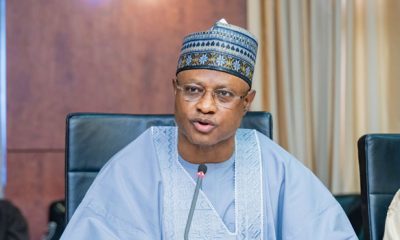
The governor, represented by the Commissioner for Business, Innovation and Technology, Patience Fakai, said Kaduna had a pool of talented young people whose creative abilities could contribute to the state’s economic development.
“Our young people possess exceptional talents in fashion design, tailoring, painting, sculpture and other creative disciplines. We must provide them with the skills, mentorship, funding and platforms required to transform these talents into sustainable businesses,” he said.
Sani described the creative economy as an emerging sector capable of generating employment, attracting investment and expanding economic opportunities, particularly for young people and women.
He said his administration would continue to support vocational training and small and medium-sized enterprises through relevant government institutions.
The governor cited the Kaduna State Institute of Vocational Training and Skills Development as part of the state’s efforts to equip young people with practical skills in areas such as fashion design, carpentry, metalwork, hospitality, catering, interior design, welding and fabrication.
He urged KAFART organisers to strengthen collaboration with vocational institutions to give trainees practical exposure, industry experience and better employment prospects.
Sani also said the Ministry of Business, Innovation and Technology would explore partnerships to support creative businesses through financing, mentorship, business development services, market access and professional networks.
He noted that KAFART’s international connections could create opportunities for cultural exchange and professional collaboration while promoting Kaduna as a destination for arts, culture and tourism.
Speaking on the exhibition’s theme, “To Have and to Hold,” the governor said it highlighted the importance of preserving cultural heritage while embracing innovation and emerging opportunities.
Also speaking, the Technical Adviser to the Vice-President on Women, Youth Engagement and Impact, Hauwa Liman, described the creative economy as an emerging source of wealth creation and employment.
She said Northern Nigeria had talented women and young people who needed platforms, financing and an enabling environment to turn their creative abilities into sustainable businesses.
The exhibition also featured cultural performances, including a presentation titled “Anfara” by Mud Art Company and an indigenous leopard dance.
As part of the event, organisers recognised outstanding contributions to the creative sector through several awards and grants.
Jessy Josh received a N1m creative grant for embroidery, while Hassana Yusuf was presented with the Queen Amina Embroidery Award.
Joshua Akubo received the Social Impact Award, while Liman was honoured with the Global Arewa Fashion Award.
The event highlighted the growing interest in using fashion, arts and cultural enterprise to create economic opportunities, while calls for funding, training and stronger industry partnerships remained central to discussions.








 news1 year ago

 politics1 year ago

 entertainment2 years ago

 entertainment2 years ago

 politics2 years ago

 politics1 year ago

 events2 years ago

 events2 years ago