Michael Carrick’s Manchester United exit reportedly followed poor results, dressing room tensions, injuries and recruitment concerns
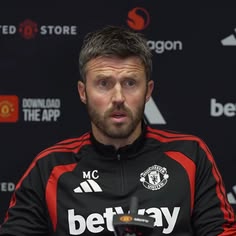
Michael Carrick’s spell as Manchester United head coach has ended after less than six months, with poor results, dressing room tensions, injury setbacks and concerns over the club’s recruitment strategy reportedly contributing to his departure.
Carrick, who signed a two-year contract on May 22, had initially enjoyed an encouraging start, recording 12 victories in 17 matches last season and guiding United to Champions League qualification.
However, the former midfielder was unable to maintain that momentum into the new campaign, with a series of disappointing performances raising questions about his future.
According to BBC Sport’s Manchester United correspondent, Simon Stone, the club’s decision followed a turbulent period in which United struggled to produce consistent performances.
Defeats to Chelsea, Brighton and Como added to the pressure on Carrick, while a 3-0 home loss to Bournemouth further intensified criticism of his management.
Although United secured an impressive 3-2 comeback victory over Roma in the Champions League, the result did little to convince the club’s hierarchy that Carrick was the right man to lead the team.
A subsequent 4-4 draw against Aston Villa, after United had twice recovered from two-goal deficits, also failed to change the club’s position.
Chief Executive Omar Berrada and Director of Football Jason Wilcox reportedly travelled to Monaco to inform minority owner Sir Jim Ratcliffe that a managerial change was necessary.
Beyond the results, reports of growing tensions within the dressing room further complicated Carrick’s position.
Senior players were said to have raised concerns about the team’s performances and tactical approach.
Defender Lisandro Martinez reportedly criticised United’s summer recruitment strategy after the club’s 2-0 Champions League defeat to Atletico Madrid, directing his concerns towards Wilcox.
Captain Bruno Fernandes also questioned Carrick’s tactics following the 4-1 defeat to Como.
Fernandes was subsequently dropped for the Bournemouth fixture before returning to the starting line-up as captain against Chelsea.
The reported disagreements added to the scrutiny surrounding Carrick as United struggled to establish a consistent playing style.
Injuries to key players also affected Carrick’s efforts to improve the team.
Benjamin Sesko, Amad Diallo, Luke Shaw and Carlos Baleba were among those reported to have experienced fitness problems, limiting the manager’s options.
United’s recruitment strategy also came under criticism, particularly over the club’s failure to address weaknesses in central defence and at left-back.
Carrick had reportedly expressed concerns about the depth of his squad during the club’s pre-season training camp in August.
“We want more, we need more,” he said when asked about the possibility of further signings.
However, the club’s recruitment efforts reportedly failed to deliver all the reinforcements he wanted, leaving him with a squad that struggled with injuries and defensive problems.
United had conceded 30 goals in the campaign, placing them among the teams with the highest defensive totals across Europe’s top five leagues.
With Carrick’s departure, former Tottenham Hotspur and Paris Saint-Germain manager Mauricio Pochettino has emerged as a possible replacement.
The reported interest in Pochettino comes as United face another managerial transition, having now changed head coaches midway through the campaign for the third consecutive season.
Carrick’s exit highlights the scale of the challenge facing the club, with questions over recruitment, squad depth and dressing room unity extending beyond the manager’s position.






 news1 year ago

 politics1 year ago

 entertainment2 years ago

 entertainment2 years ago

 politics2 years ago

 politics1 year ago

 events2 years ago

 events2 years ago