
education
When Nigerian Children Conquered the World


The Hillside School, Abuja, emerged overall winner at the Pan-African Innovation Bootcamp and Robotics Competition after outshining teams from 11 countries
They left Nigeria unnoticed. Their triumphant return attracted neither celebrations nor headlines. In an era and in a country where bandits and kidnappers have stolen media limelight and appropriated government attention, only a few people would be surprised that this actually happened.
Also read: Makinde Orders Probe Into Oyo School Abduction
Yet, that does not erase the absurdity of reveling in vanity, including a-must-win dirty politicking, in ignorance of the huge intellectual achievements of a generation we often labelled as leaders of tomorrow.
This is the story of young Nigerians who recently demonstrated that there is still something to hope for in Nigeria.
They beat the super powers, humbled those who underrated them, and conquered the world of innovations.
Beginning 2025, regional competitions were held across the country, to select the best schools—both public and private—that would represent the different regions in a national competition to decide who would eventually represent Nigeria in a global robotic event.
The contest was tagged: First Lego League Competition. Lego League is a global brand in robotic engineering contest targeted at young minds in private and public schools—primary and secondary. It also attracts participation by budding robotic organisations.
Organised globally by Coderina Educational Technology, it is a science-based creativity competition aimed at fostering unity and collaboration among teams from different countries, and empowering young innovative minds.
The idea behind the competition, which attracted eleven countries across the world, was to develop skills needed in the evolving techno-driven 21st century where machines are fast replacing human efforts, by making kids more innovative in their thinking and action.
In February this year, 45 groups—comprising private and public schools, and independent robotic groups—assembled in Abuja for the final competition to select schools and private techno groups that would represent Nigeria.
The National Robotics Competition which held at the National Stadium in Abuja exhibited undiluted competitive spirit by young minds.
Each of the participating schools and organisations had to think on their feet and execute innovations with speed and efficiency.
The Abuja competition was a replica of what was expected at the global level. Candidates were expected to engineer robots and cause them to perform specific functions, while the judges assessed how efficient such robots accomplished pre-determined tasks within a time limit.
Finally, after two days of cerebral fireworks, five groups emerged at the top.
They comprised three schools and two private robotic organisations. Among the schools were The Hillside School from Abuja, Evergreen School from Enugu, and Preston School from Akure, Ondo State.
The three schools and two privately-owned robotic groups later received letters from the international organisers, Coderina Edtech, for participation in the contest labelled: Pan-African Innovation Boot Camp and Robotics Competition scheduled for Rwanda between July 1 and July 12, 2026.
Each of the groups from Nigeria—tagged Teams A, B, C, D, E—had no idea what awaited them or who they would be up against in Rwanda. All they did was to prepare and hope that even if they do not emerge the winners, they won’t come last.
What frightened them most was lack of sponsorship. Even at the regional and national levels, while public schools were sponsored by the ministry of education in different states, participants from private schools were self-funded.
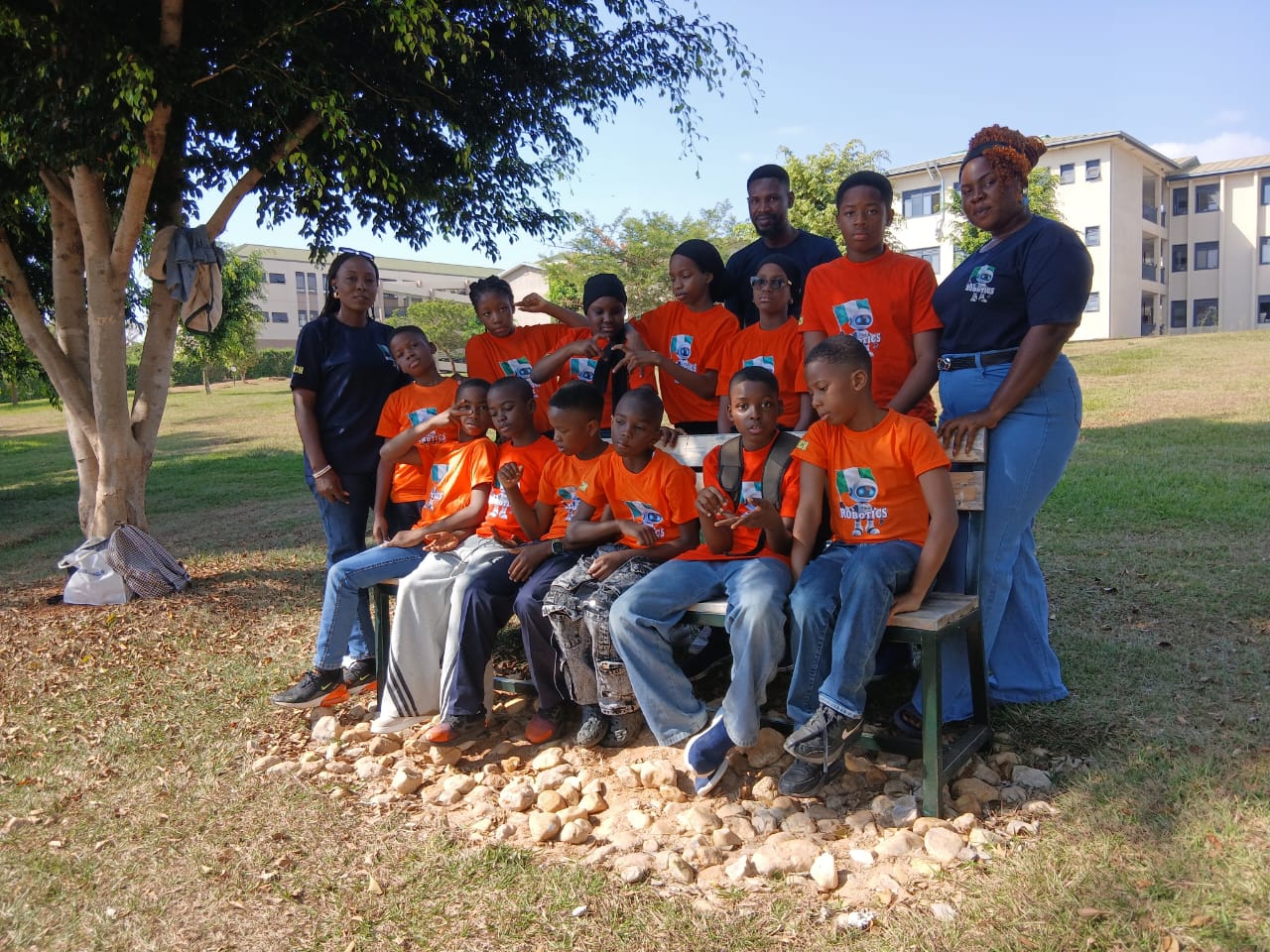
One of the schools, The Hillside School, Abuja, had three staff members who prepared the students for the international events—Grace Simie Ejeh (Chaperone), Olusegun Samson and Ijeoma Nwizu (Coaches).
Samson recalls: “Our team took preparation for the competition very serious.
The students were drilled and actively involved in every of the processes; from robot design to innovation project, and programming of the robot.
“We guided them to make researches and document them. As coaches, we simply used our wealth of experience and expertise to bring out the creativity in the children who are mostly primary school pupils.
“Their confidence rose as well as their mastery of the needed skills. We were meeting twice every week from March and Monday to Friday of every week in June.
“There were days when it was as if we were wasting our time. Sometimes, the robot would suddenly malfunction. We would start the mission all over again. At times, the robot attachments would suddenly become unsuitable for the robot mission we created it for.”
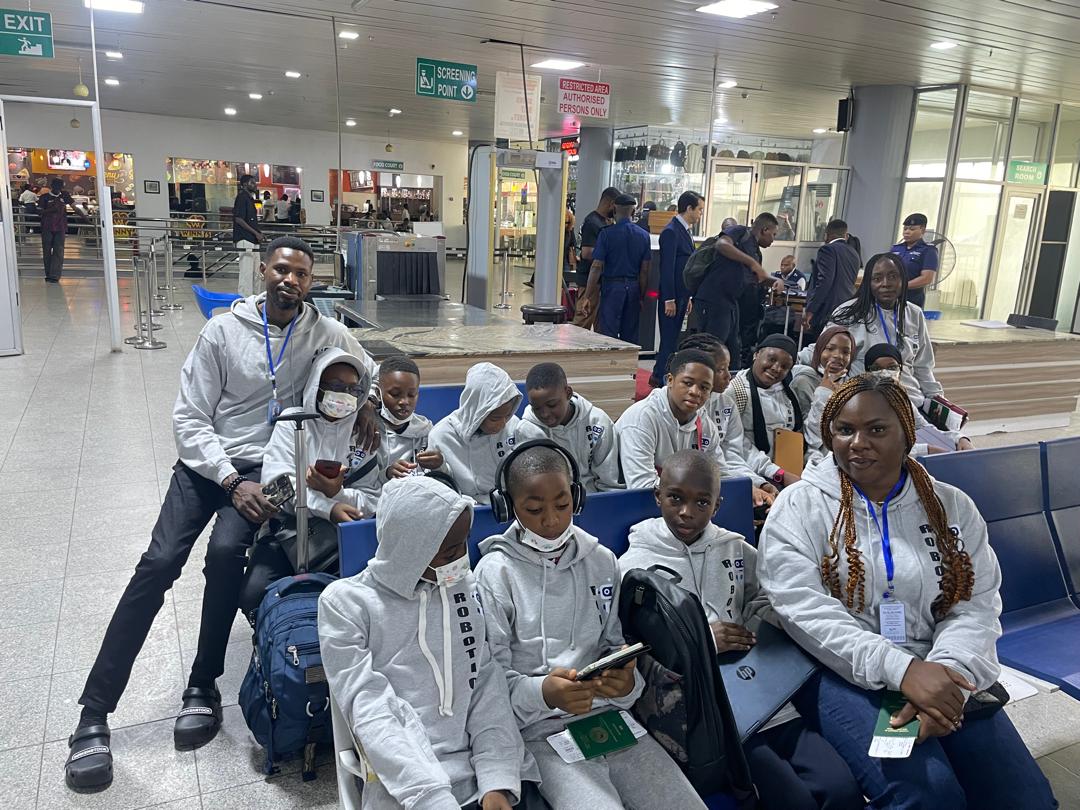
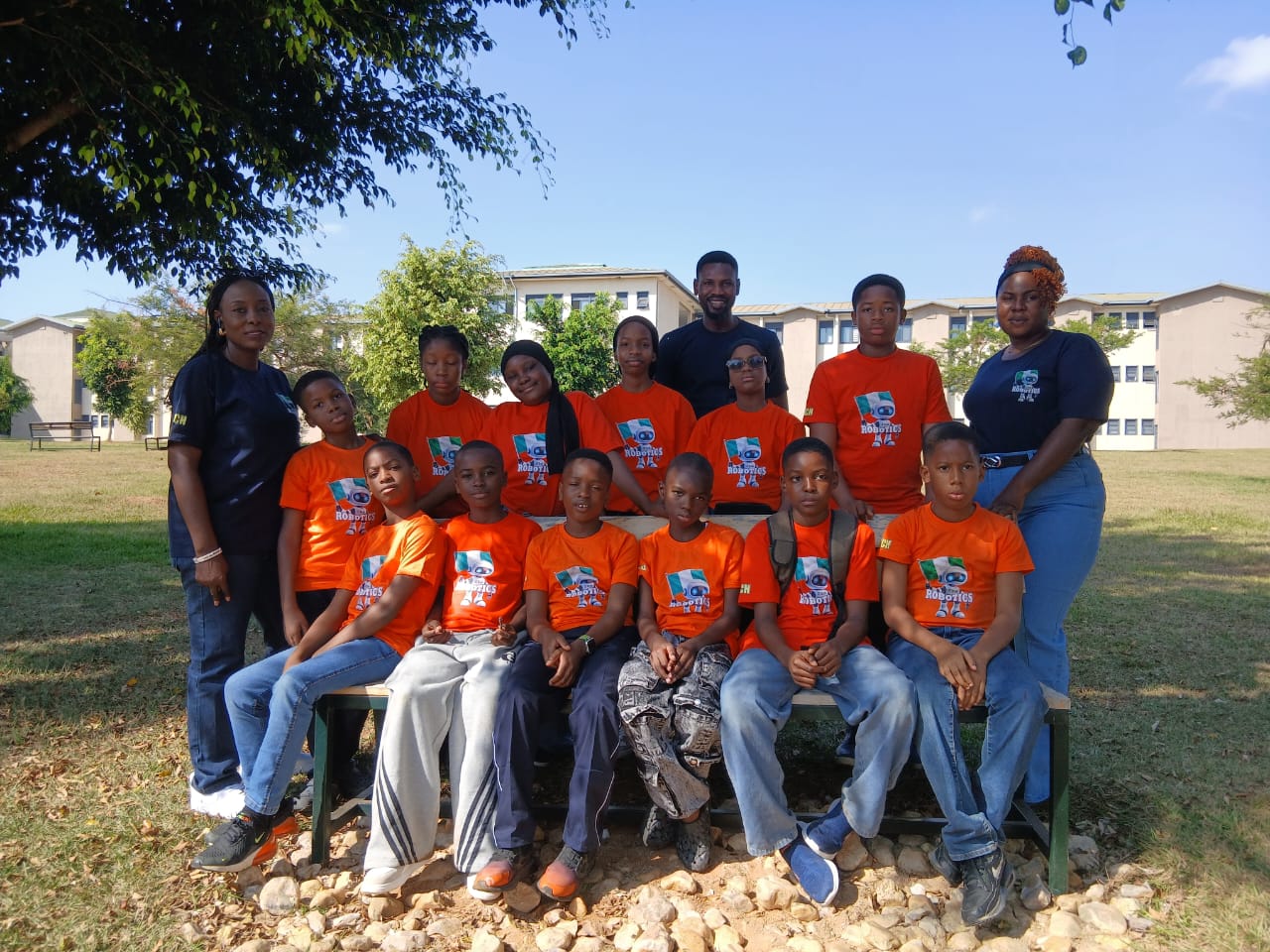
Other schools and groups, perhaps, went through the same tasking and frustrating processes. All of them believed, like Niccolo Machiavelli, in his 1513 classic, The Prince, that the end would justify the means.
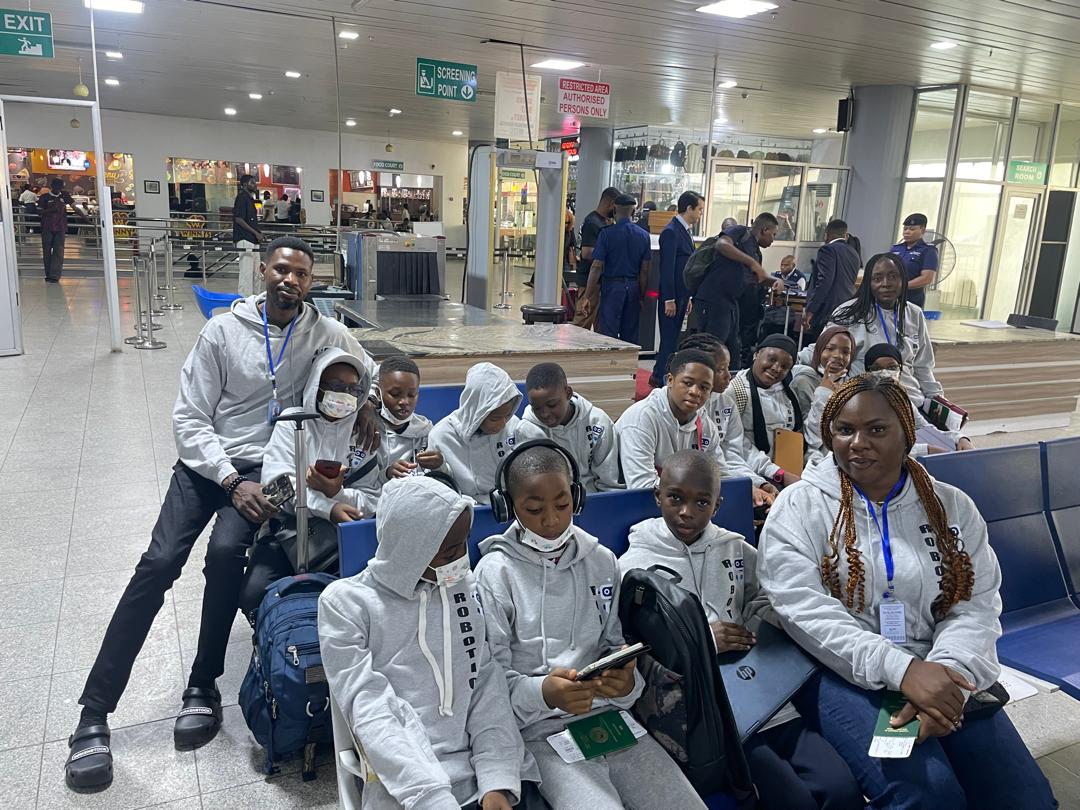
The trip to Kigali, the Rwandan capital, began for the Nigerian teams on July 1st, 2026. Rwanda Air took off from Murtala Mohammed Airport at 3.30pm and touched down at Kigali at 9.30pm.
As recalled by one of the teachers, upon their arrival in the land of many mountains, beautiful, clean and well-organized city of Kigali, Rwanda, “we received a warm and heartfelt welcome from our host—Coderina Edtech Coordinators.”
This marked the beginning of what would become an unforgettable experience filled with learning, discovery and inspiration—an experience that lasted 12 days.
For the days that followed, the candidates were treated to varieties of activities. They had opportunities to exhibit their creative acumen in designing and building robotic cars—transforming classroom knowledge into hands-on experience.
For some individuals among them, it was their first time of assembling and programming a robot from the scratch, making the experience both challenging and rewarding.
This excitement reflected the joy of learning through innovation and teamwork.
For the first three days, the children interacted, shared ideas, intermingled intellectually, and created an atmosphere of lasting friendship among themselves.
They participated in workshops on Artificial Intelligence, during which they explored the teachable machines that could be trained to recognize and respond to data.
In the robotics classes, they were introduced to a software used in programming robots and the various components required to build the mechanisms capable of solving real-life problems.
Robotics and AI training for the children was far more than just learning how to code. It was about nurturing curiosity, creativity, critical thinking and collaboration.
The young minds had incredible and exciting experiences as they worked in teams made up of different schools and nationals, giving them the opportunity to build new friendships and the value for teamwork.
Outside the academic environment where their brains were tasked with extra-mundane creativity, the children were taken on a visit to the Kigali Genocide Memorial Centre—a place where even the stone-hearted would likely shed tears.
Entry into the museum was restricted to children aged 13 and above.
Before a tour of the Centre, they had a 10-minute orientation to prepare them emotionally on what to expect.
This was followed by a 15-minute documentary featuring powerful and touching testimonies of the survivors of the 1994 Genocide by the Hutu extremists against the Tutsis.
Here was a deeply emotional and sobering experience—one that words could hardly describe.
The museum was like a castle of historical photographs, personal stories, and touching tributes—a collection that vividly portray the horrors of genocide and the resilience of the Rwandan people.
One of the most heartbreaking moments was when they saw the mass burial site, where the remains of over 250,000 victims were laid to rest.
The experience became even more personal when it was learnt that one of the coordinators had both her parents buried there.
As demanded at such occasions, they observed a-minute-silence in honour of all the victims and, as guided by the memorial staff, laid flowers at the burial site as a mark of respect and remembrance.
The trip from the Centre back to Kigali was almost in silence as each of the 13 years and above children from 11 countries reflected on what they had just experienced.
As a relief from the heart-wrenching experience, the young people were driven to the Kigali Heights—home to one of the city’s largest and most prestigious shopping malls.
All the tours and the fun did not distract the school boys and girls from the reason they went to Rwanda. The hour was getting close.
However, they needed to showcase the richness of their heritage through music, dance and cultural displays before creating robots.
Representatives from different teams assembled from the different countries delivered spectacular performances.
From energetic traditional dances to captivating poetry recitations, each team proudly presented unique aspects of their culture, leaving the audience entertained and inspired.
The Hillside School located, which formed one of the five teams from Nigeria, proudly represented their country with beautifully choreographed cultural dances that celebrated the nation’s three major ethnic groups: Hausa, Igbo and Yoruba.
Their performance was outstanding, reflecting excellent coordination, confidence, creativity and vibrancy.
As the youngest team participating in the creativity fiesta, they received enthusiastic applause and admiration from the audience for their remarkable presentation.
Just before the final day when the competition took place, the school children were driven in a convoy of buses to the Rwanda National Police Headquarters.
They were received by the Assistant Commissioner of Police—an equivalent of Nigeria’s Assistant Inspector General of Commissioner.
Few minutes later, the Commissioner of Police arrived quietly, without a convoy or elaborate entourage.
He addressed the children, before they went to watch a documentary the structure, operations and the technological innovations of the Rwanda National Police.
Then came the eleventh day, set aside for the Robotic Competition. Nigeria’s High Commissioner to Rwanda, Ambassador Ibrahim Zanna, showed up. He was not disappointed.
The Nigerian Team had five groups. Other countries had their own groups also.
The teams keenly contested on the Board first in three rounds and later moved to the studios to complete the competition with their innovative projects.
The result was announced at about 9 pm after long deliberations by the judges.
Aside from Nigeria, participants also came from the United States of America, Ghana, Cameroon, Burundi, Rwanda, Burkina Faso, Haiti, France, Ethiopia, and Belgium.
At the end, The Hillside School from Nigeria was declared the overall winner of the events—the Pan-African Innovation Bootcamp and Robotics Competition. It was the first of its kind.
The Hillside School team was said to have embraced the core values, robot performance, robot design, and innovation project which placed it at the top of the pack.
The school was declared overall first among all the participating countries and all the teams from each of the countries.
They topped the table in two of the three categories: innovative project, robot design, and board game where it came second.
Founded in 2004, by an educationist, Mrs. Nnenna Umeh, the school comprises nursery, primary, and secondary schools accommodated in a cozy environment in Gwarinpa, Abuja.
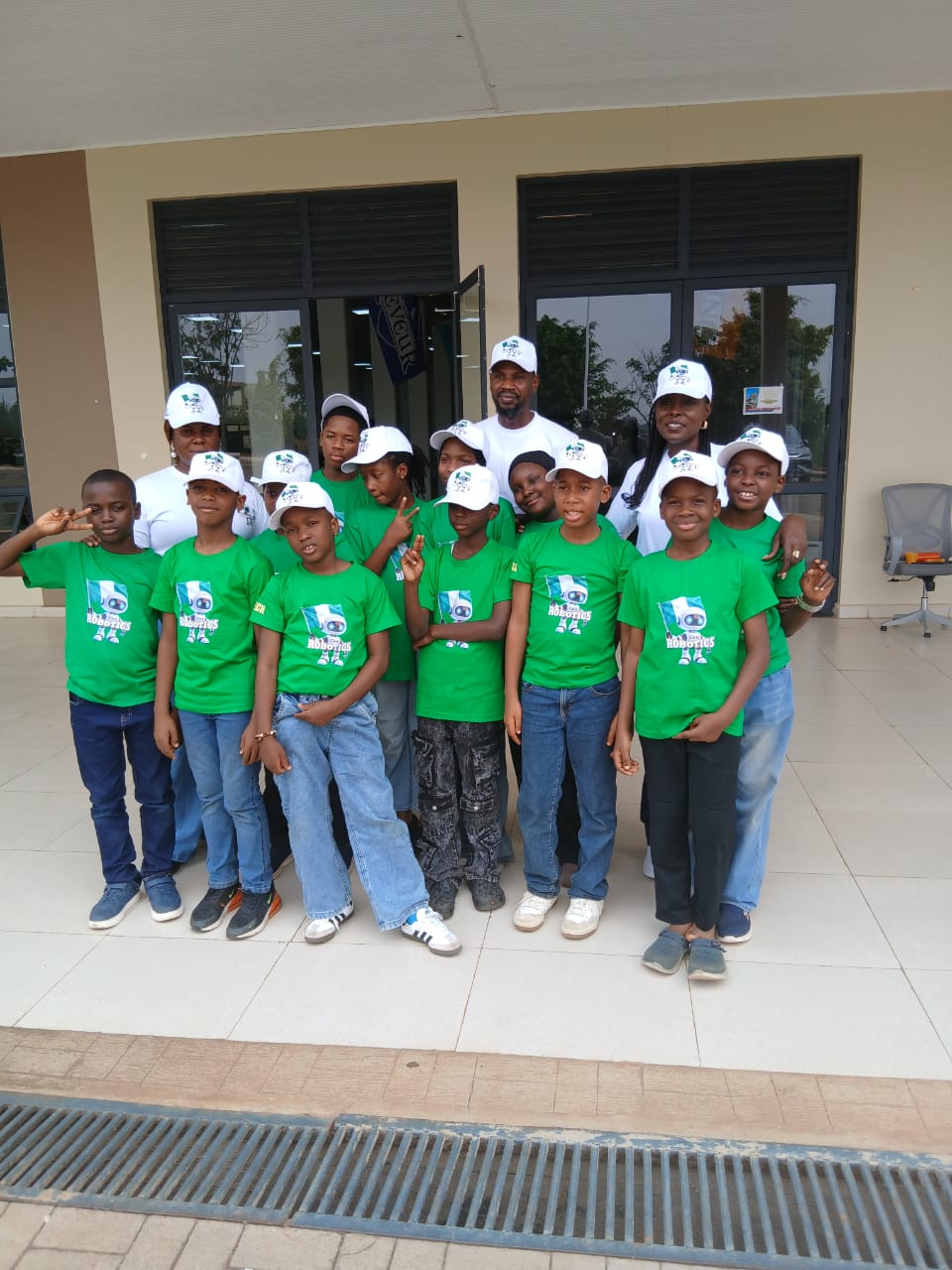
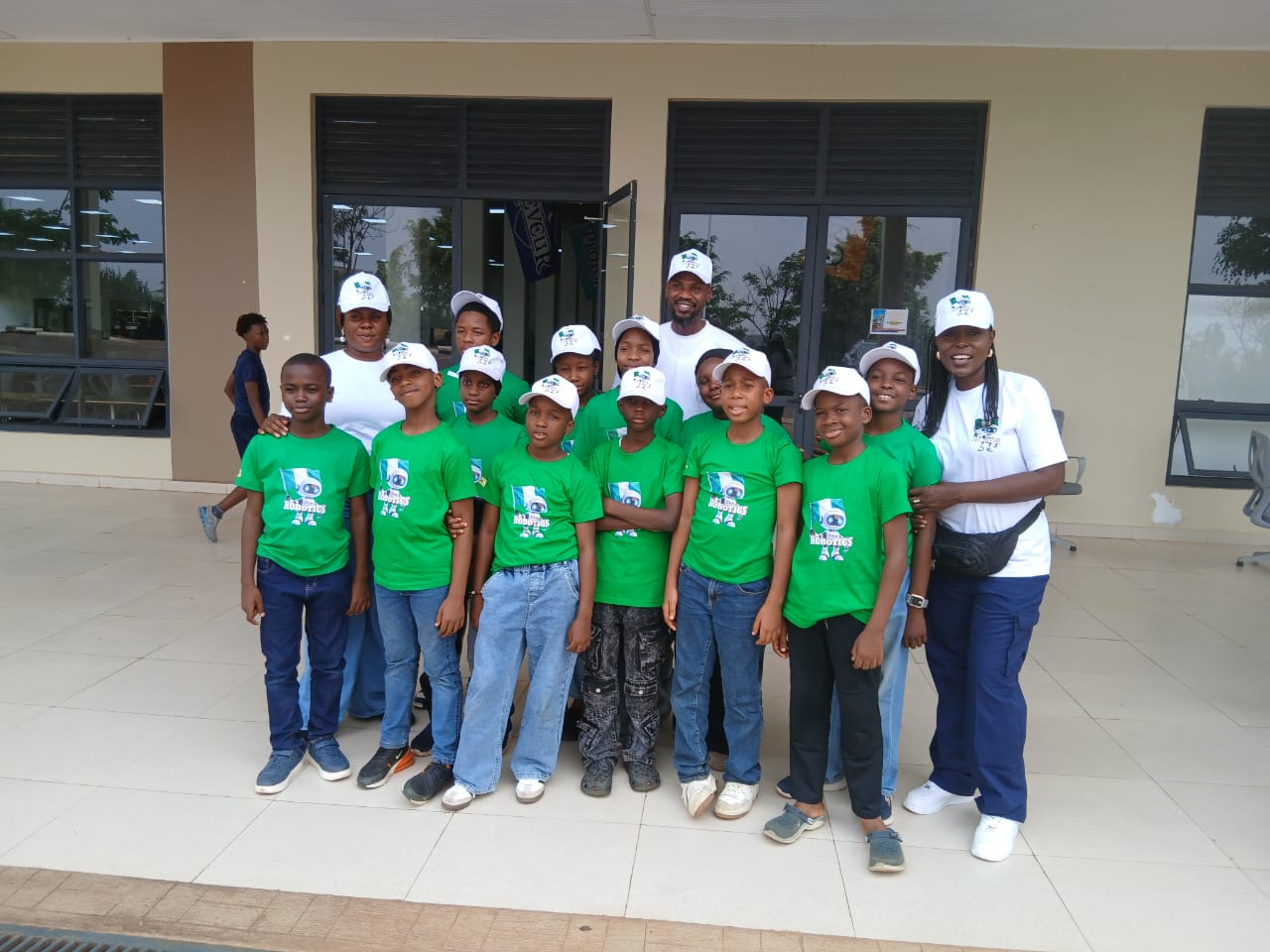
The shool’s delegation to the competition comprised three teachers, two secondary students and 10 pupils from the primary school.
Its soft-spoken, media-shy proprietress, Mrs. Umeh, attributed their success at the competition to innovation, teamwork, creativity, absolute trust in God, determination, and commitment on the part of the participants, the coaches and the chaperon.
Also read: Oyo Schools Remain Shut Despite Pupils’ Rescue
In silence, the world is waiting for government’s response to this victory that has stamped Nigeria’s name on a global map of young robotic engineering and scientific creativity. I hope we won’t have to wait for too long.


Osun Business School launches its first cohort as founder Dr. Adegboyega Adebayo seeks an Osun government PPP to drive entrepreneurship and job creation (more…)
-

 news1 year ago
Comfort Emmanson Yet to Decide on Legal Action Against Ibom Air
-

 politics1 year ago
Labour Party Protest Slams INEC Over Candidate Exclusion in Bye-Elections
-

 entertainment2 years ago
Bolanle Austen-Peters hit stage play, “Dear Kaffy”, returns to Lagos for special Easter showing after international success
-

 entertainment2 years ago
Ayra Starr teases new collaboration with Wizkid, sending fans into frenzy
-

 politics2 years ago
Court rules in favour of Isale-Eko community on intellectual property rights over “Gangs of Lagos” film
-

 politics1 year ago
Ekiti Governor Politicise Elemure Stool in Shocking Traditional Betrayal
-

 events2 years ago
Anietie Udoh joins AME awards 2025 Grand Jury, elevating Nigeria’s IMC presence
-

 events2 years ago
Nigerian-American Chamber of Commerce to inaugurate 20th president, executive council, unveils bold economic agenda