From Kylian Mbappé’s record-breaking exploits to Cape Verde’s fairytale run and Argentina’s resilience, the expanded tournament has produced unforgettable stories
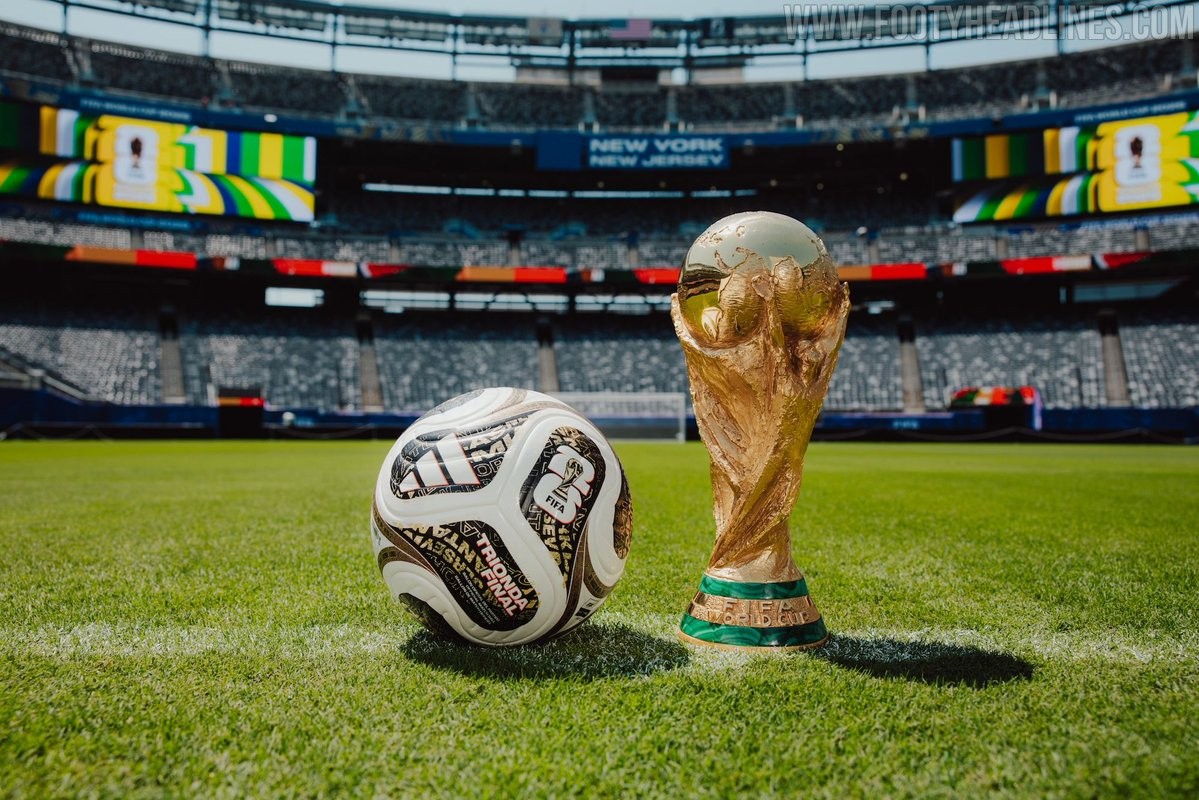
The 2026 FIFA World Cup has entered its final chapter after more than five weeks of football across the United States, Canada and Mexico, with the first 48-team edition producing memorable performances, historic milestones and several defining moments both on and off the pitch.
Ahead of Sunday’s final between Argentina and Spain, the tournament has already delivered a compelling mix of record-breaking achievements, underdog stories and dramatic knockout encounters that have reshaped the World Cup landscape.
Among the biggest talking points of the 2026 World Cup highlights has been the battle for the Golden Boot.
France captain Kylian Mbappé heads into the final weekend leading the scoring charts after netting twice in France’s 6-4 defeat to England in the third-place play-off.
His tournament tally moved him two goals clear of Argentina captain Lionel Messi and established him as the all-time leading scorer in FIFA World Cup history, with 22 goals across three editions of the competition.
The race for the Golden Boot has also featured some of football’s biggest names, including Erling Haaland and Harry Kane, reflecting the exceptional attacking quality on display throughout the tournament.
While the established stars have delivered, the expanded 48-team format has also provided opportunities for emerging nations to make history.
Tournament debutants Cape Verde captured global attention by finishing their group stage unbeaten despite sharing a section with former champions Spain and Uruguay.
Their remarkable campaign continued into the knockout rounds, where they pushed defending champions Argentina into extra time before eventually bowing out in one of the tournament’s most entertaining matches.
“To be honest, it feels like I’m living in a fairytale,” Cape Verde midfielder Deroy Duarte said after his side reached the Round of 32.
Another memorable underdog story came from Curaçao, the smallest nation by population ever to compete at a FIFA World Cup. After suffering a heavy opening defeat to Germany, the Caribbean side earned widespread admiration by holding Ecuador to a goalless draw.
Argentina’s path to the final has been defined as much by resilience as by quality.
Although the defending champions progressed from the group stage with relative comfort, Lionel Scaloni’s side repeatedly found themselves facing adversity in the knockout rounds.
They required extra time to overcome Cape Verde and Switzerland, recovered from a two-goal deficit against Egypt and produced a dramatic late comeback against England in the semi-finals to book a third World Cup final appearance in four tournaments.
Rather than dominating opponents throughout, Argentina have built their campaign on determination and an ability to respond under pressure, qualities that have become central to their title defence.
Away from the football, one of the tournament’s most debated moments involved United States forward Folarin Balogun.
After receiving a red card during the USA’s Round of 32 victory over Bosnia and Herzegovina, Balogun was initially suspended before FIFA reversed the sanction, a decision that generated widespread debate after reports emerged that US President Donald Trump had intervened on the player’s behalf.
The controversy added pressure to the host nation before Belgium eliminated the United States 4-1 in the Round of 16.
Balogun later acknowledged that the episode had affected the team.
Social media also played a significant role in shaping the tournament’s cultural moments, with Norway striker Erling Haaland emerging as one of its biggest online stars.
The Manchester City forward helped Norway achieve their best-ever World Cup finish while gaining approximately 30 million new Instagram followers during the competition.
One of his most widely shared moments featured Norway’s players and supporters performing the now-famous “Viking Row” celebration after victories, while another post showing him returning home with a stuffed raccoon quickly went viral.
Political tensions also surfaced during the competition.
The build-up to Argentina’s semi-final against England was overshadowed by renewed discussion surrounding the disputed Falkland Islands, known in Argentina as the Malvinas.
Following Argentina’s 2-1 victory, players displayed a banner reading, “Las Malvinas son Argentinas.”
The incident prompted the British government to call for FIFA to investigate, while world football’s governing body confirmed that it was reviewing the match reports before deciding whether any further action was necessary.
As the tournament reaches its conclusion, the first 48-team World Cup has largely succeeded in expanding football’s global reach without sacrificing competitiveness.
The emergence of new footballing nations, the continued brilliance of established stars and a series of remarkable matches have provided a strong endorsement of the expanded format, setting the stage for what promises to be a captivating final between defending champions Argentina and European champions Spain.










 news1 year ago
 politics1 year ago
 entertainment1 year ago
 entertainment1 year ago
 politics1 year ago
 politics1 year ago
 events2 years ago
 events2 years ago