Rotary Peace Summit 2026 brings Yinka Babalola and Nigerian leaders to Lagos to advance governance, justice, inclusion and sustainable peace.
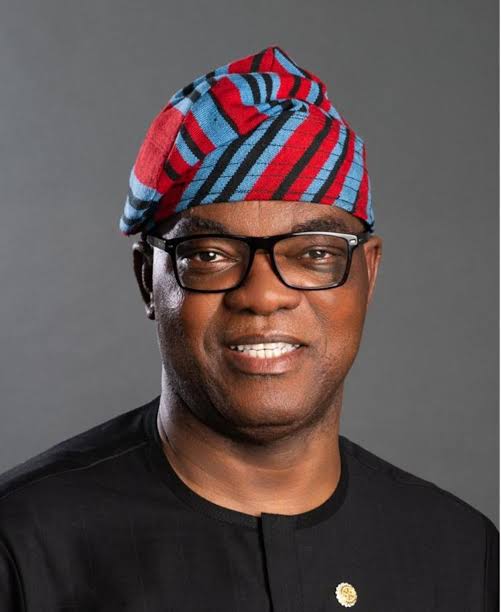
Rotary International President, Yinka Babalola, will bring together Nigerian policymakers, international peacebuilding experts, security specialists, academics and civil society leaders in Lagos on Saturday, 7 November 2026, for the All Nigeria Rotary Peace Summit 2026, an initiative designed to develop practical responses to Nigeria’s governance, justice and security challenges.
The gathering, scheduled to begin at 9:00 a.m. at the Victoria Garden Event Centre, Alausa, Ikeja, will take place under the theme, “Good Governance, Justice and Equity: Foundations for Sustainable Peace”.
Organised around the sub-theme, “From Dialogue to Action: Forging a Sustainable Peace Legacy in Nigeria”, the summit seeks to move conversations about national stability beyond speeches and policy discussions towards practical recommendations, institutional partnerships and measurable stakeholder commitments.
The choice of theme reflects an increasingly important dimension of Nigeria’s peacebuilding debate: the recognition that lasting stability requires more than security operations. Accountable leadership, public confidence in institutions, access to justice and equitable opportunities also influence how communities respond to conflict and social divisions.
A major highlight of the summit will be a keynote address by Lea Perekrests, Director of Partnerships at the Institute for Economics and Peace (IEP).
Her presentation, titled “Global Perspectives on Good Governance, Justice and Equity as Foundations for Sustainable Peace”, is scheduled for 10:35 a.m. and will examine how effective institutions, inclusive governance and equitable societies contribute to long-term stability.
Drawing on international peacebuilding perspectives, the address is expected to provide a framework for considering Nigeria’s development challenges within the broader relationship between governance and peaceful societies.
The programme will also feature two high-level panel discussions bringing together professionals from the security, governance, academic and civil society sectors.
The first discussion, titled “Governance, Justice, Equity and National Cohesion”, will be moderated by Dr Joseph Ochogwu, Director-General of the Institute for Peace and Conflict Resolution (IPCR).
The panel will include Rear Admiral (Rtd.) Elkana Oyeleye Jaiyeola, a former naval officer and security expert; Dr Diamond Preye Nebechukwu, Director of the Abdulmalik Abubakar Institute for Peace and Sustainable Development Studies; and Professor Richard Aborishade, Professor of Criminology at Olabisi Onabanjo University.
Their discussions will examine how institutional accountability, accessible justice, equitable development and responsible leadership can strengthen public trust and national cohesion.
The second panel, “Security, Inclusion and the Future of Peace in Nigeria”, will be moderated by Mrs Ibim Semenitari, an entrepreneur, administrator, communications specialist, journalist and Rotarian.
Its panellists will include Kaltumi Abdulazeez, a humanitarian activist and advocate for women, girls and marginalised communities; Oyebisi B. Oluseyi, Executive Director of The Nigeria Network of NGOs; and Dr Samuel Ajiye.
The discussion will consider how community participation, civil society engagement and security interventions can contribute to sustainable peace, with particular attention to women, young people and vulnerable populations.
Their participation is significant given the importance of involving communities directly affected by insecurity in decisions concerning their safety, livelihoods and development.
Babalola will also address the gathering on peacebuilding in Nigeria and formally declare the summit open.
His involvement places Rotary’s international peacebuilding agenda at the centre of a national conversation involving institutions and individuals with different professional experiences.
The summit will further feature goodwill messages from representatives of youth organisations, women’s groups, security institutions and the diplomatic community.
Expected contributors include Abisogun Akinbode, National President of Junior Chamber International (JCI) Nigeria; Dr Kunbi Wuraola, Convener of Women on a Mission; Inspector-General of Police Olatunji Rilwan Disu; and Anna Westerholm, Ambassador of Sweden to Nigeria.
The presence of representatives from these institutions is intended to broaden the discussion beyond the traditional boundaries of government and security agencies, recognising the contribution of community organisations, international partners and youth-led initiatives to peacebuilding.
However, the organisers appear particularly interested in ensuring that the summit produces outcomes that extend beyond the event itself.
One of the programme’s central activities will be a session titled “From Dialogue to Action: Key Recommendations from Stakeholders, Commitments and Peace Legacy Agenda”, coordinated by Past District Governor Wole Kukoyi.
The session will provide an opportunity for participants to identify practical recommendations and agree on areas where institutions and stakeholders can work together.
A proposed Peace Legacy Accord and Agenda will also be signed, while a summit declaration and communiqué will document the discussions, resolutions and intended follow-up actions.
These proposed outcomes could provide an important reference point for measuring the summit’s longer-term impact, particularly if the commitments translate into sustained cooperation among government institutions, security agencies, Rotary leaders, development organisations and civil society groups.
The initiative comes against a backdrop of persistent security and governance concerns across Nigeria.
Communities in different parts of the country continue to contend with challenges including banditry, kidnapping, communal tensions, displacement and economic vulnerability.
These pressures have highlighted the limitations of relying exclusively on security operations to address instability, particularly where underlying grievances involve weak institutions, unequal access to opportunities and limited public confidence in government.
Rotary International has long incorporated peacebuilding into its humanitarian and educational work through conflict-prevention initiatives, professional development and international collaboration.
The organisation’s Rotary Peace Centres programme, established in 2002, provides specialist education and training for individuals working in peacebuilding and conflict resolution.
Through partnerships with universities and other institutions, the programme has developed a global network of peace professionals working across different communities and sectors.
The All Nigeria Rotary Peace Summit 2026 offers an opportunity to connect these international principles with Nigeria’s particular governance, security and development priorities.
Its emphasis on dialogue, justice, inclusion and institutional accountability also recognises that sustainable peace requires cooperation between public institutions and the communities they serve.
For Babalola and the participating stakeholders, the significance of the gathering will ultimately depend on what follows the discussions in Lagos.
The proposed Peace Legacy Accord, summit declaration and communiqué provide a starting point, but their value will be determined by the willingness of participating organisations to implement agreed recommendations, maintain partnerships and demonstrate measurable progress.
As Nigerian leaders and peacebuilding professionals prepare to meet on 7 November, the summit presents an important opportunity to turn shared concerns about national stability into a more coordinated programme of action.





 news1 year ago

 politics1 year ago

 entertainment2 years ago

 entertainment2 years ago

 politics2 years ago

 politics1 year ago

 events2 years ago

 events2 years ago