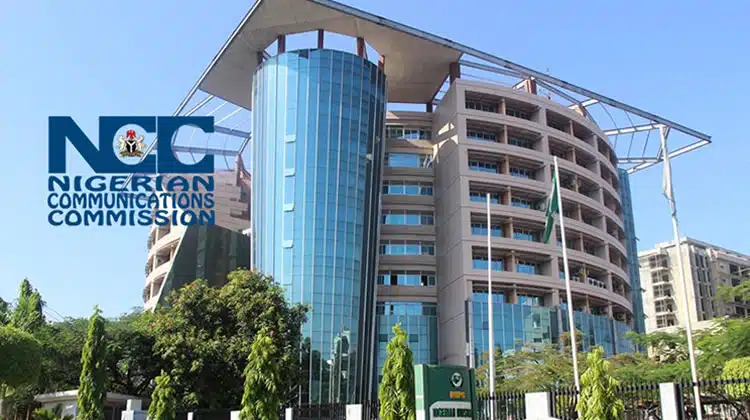
Reps urge the NCC to review phone verification rules over price concerns, warning that compliance costs and errors could hurt buyers and used-phone traders
The House of Representatives has urged the Nigerian Communications Commission (NCC) to review its mobile phone verification rules amid concerns that compliance costs could increase handset prices and create difficulties for legitimate second-hand phone dealers.
The resolution followed a motion by Sani Wakili, a member of the House representing a constituency in Kano State, who called on the telecommunications regulator to reconsider how its device verification framework is being implemented and consult relevant industry stakeholders.
Lawmakers said the enhanced requirements, which took effect on 7 October 2026, could place additional financial and administrative burdens on importers and retailers.
They warned that businesses might pass those costs on to consumers, making mobile phones less affordable, particularly for low-income households that rely on them for communication, education and business.
The House also raised concerns that technical errors, database mismatches or limitations in the verification system could result in genuine devices being wrongly rejected or blocked from mobile networks.
In its resolution, the legislature stressed that while efforts to combat counterfeit, cloned and stolen phones were necessary, enforcement should not unfairly penalise legitimate businesses or deny consumers access to affordable devices.
The lawmakers called on the NCC to simplify verification procedures, reduce compliance costs and establish a fair, accessible process for checking used and second-hand phones.
The House subsequently directed its Committees on Communications and Commerce to engage the commission and other relevant stakeholders, with a report expected within four weeks.
The Committee on Legislative Compliance was also tasked with monitoring implementation of the resolution.
The intervention follows concerns raised by device importers, manufacturers and retailers before the enhanced verification system took effect.
Industry stakeholders had previously expressed worries about registration deadlines, uncertainty surrounding compliance procedures and the potential cost of onboarding existing stock.
The NCC introduced the Device Management System (DMS), supported by a Central Equipment Identity Register (CEIR), to strengthen compliance with its equipment approval requirements.
The system uses International Mobile Equipment Identity (IMEI) numbers, unique identifiers assigned to mobile devices, to help establish whether equipment meets applicable regulatory requirements.
According to the commission, the framework is intended to improve the identification of non-compliant devices, address the use of cloned phones and enable devices reported stolen to be blocked across Nigerian mobile networks. The regulator has said the system is designed to identify devices and does not give it access to personal files or private communications.
However, the distinction between a device that has failed verification and one confirmed to be counterfeit is important for consumers and traders.
In its published guidance, the NCC states that an unsuccessful verification result does not automatically mean a phone is counterfeit.
Errors may require correction or further investigation through the appropriate support channels.
The commission also says phones already connected to Nigerian networks before the system took effect were automatically verified, while consumers buying devices locally are not expected to obtain regulatory type approval themselves.
These provisions are relevant to the concerns raised by lawmakers, particularly in Nigeria’s second-hand phone market, where consumers often turn to used devices as a more affordable alternative to new handsets.
A verification process that is difficult to navigate or slow to resolve errors could disrupt sales, tie up traders’ capital and leave buyers uncertain about the status of devices they have purchased.
At the same time, effective checks could help consumers avoid stolen, cloned or non-compliant equipment.
Mobile phones have become essential tools for everyday economic activity in Nigeria.
They support digital banking, online education, small businesses, e-commerce and access to public services.
Any regulatory measure that affects handset availability or affordability therefore has implications beyond the telecommunications industry.
The House’s proposed review seeks to balance those concerns with the NCC’s stated objective of improving device security and regulatory compliance.
The outcome of the four-week engagement is expected to provide lawmakers with further information on the practical effects of the framework and whether adjustments are needed to protect consumers and legitimate businesses without weakening enforcement.
Featured, Nigerian Communications Commission, House of Representatives, Phone Verification, Mobile Phone Prices, Consumer Protection







 news1 year ago

 politics1 year ago

 entertainment2 years ago

 entertainment2 years ago

 politics2 years ago

 politics1 year ago

 events2 years ago

 events2 years ago