Nigeria Governors’ Forum advances state police Nigeria plans with strong emphasis on constitutional safeguards, federalism and citizens’ rights following parliamentary progress on the reform
Ogun State Governor Dapo Abiodun presented the communiqué of the Nigeria Governors’ Forum on Thursday in Abuja after the group’s second meeting of 2026, confirming that the governors have consulted state attorneys-general on the proposed establishment of state police Nigeria while placing firm emphasis on constitutional safeguards, federalism and the protection of citizens’ rights.
AbdulRahman AbdulRazaq, Governor of Kwara State and chairman of the Nigeria Governors’ Forum, signed the communiqué that emerged from the deliberations. The governors reviewed proposed constitutional amendments and worked towards a common framework for the new policing system.
For more than two decades, Nigeria has grappled with persistent insecurity, including insurgencies by Boko Haram, banditry and other criminal activities that have claimed thousands of lives and displaced millions.
While federal security agencies have achieved notable successes in neutralising and prosecuting offenders, the scale of the challenge has sustained calls for state-level policing as a more responsive solution.
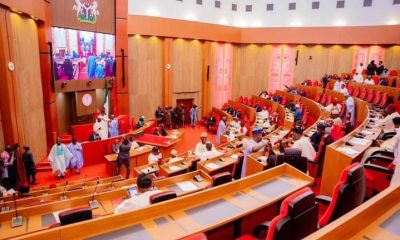
The House of Representatives passed a bill on June 10 to amend the 1999 Constitution and enable state police, with the Senate following on June 11 by approving it for second reading and referring it to its Committee on Constitution Review.
Abiodun said the forum received a detailed presentation from the NGF Secretariat and a delegation of state attorneys-general. “Governors emphasised the need for the state police to be constitutionally sound and aligned with federalism and citizens’ rights,” he stated.
The ongoing consultations, he added, would strengthen the states’ collective position ahead of further legislative steps.
The governors reiterated their longstanding support for state police, provided it is firmly rooted in the constitution and respects Nigeria’s federal structure. This cautious yet constructive stance aims to address public safety concerns without undermining national unity or individual liberties.
On other pressing national issues, the forum received updates on the National Nutrition 774 Initiative from the Federal Ministry of Budget and Economic Planning.
Abiodun noted the governors’ reaffirmed commitment to tackling child malnutrition through better coordination across health, education, water, sanitation and social protection sectors.
The meeting also featured a briefing from the World Bank Country Office on the proposed Country Partnership Framework for Nigeria covering 2026 to 2032, including the Nigeria Sustainable Agricultural Value-Chains for Growth initiative.
Governors approved state-specific interventions designed to boost agricultural productivity, food security and private sector involvement.
Additionally, the forum examined the National Solar Super-Grid Initiative, which seeks to expand electricity access through large-scale decentralised solar generation integrated with the national transmission network.
The governors expressed optimism about its potential to drive industrialisation, enhance energy security and accelerate economic growth while supporting ongoing power sector reforms.
These collaborative efforts reflect the governors’ determination to deliver tangible improvements in security, nutrition, agriculture and power supply, offering renewed hope for millions of Nigerians facing daily challenges.








 news1 year ago
 politics1 year ago
 entertainment1 year ago
 entertainment1 year ago
 politics1 year ago
 politics1 year ago
 events1 year ago
 events1 year ago