Former Inspector-General says inadequate funding, manpower shortages and poor equipment have weakened the Nigeria Police Force and intensified demands for state policing
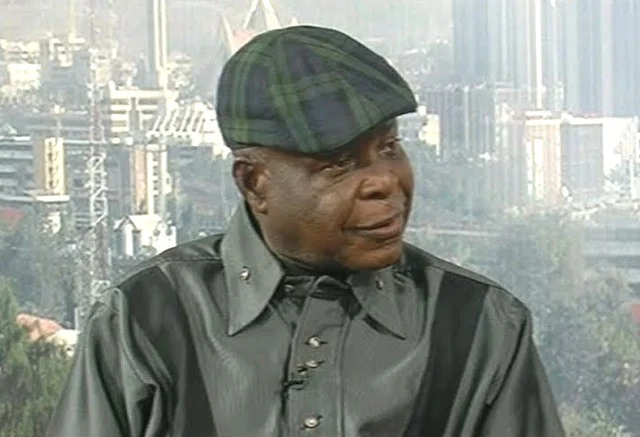
Former Inspector-General of Police Mike Okiro has attributed the growing demand for state police to chronic underfunding and operational weaknesses within the Nigeria Police Force, arguing that a well-resourced national police system would have reduced calls for decentralised policing.
Speaking on Channels Television’s Politics Today on Monday, Okiro painted a stark picture of the condition of the police, describing the force as under-resourced, understaffed and struggling to meet its constitutional responsibilities.
“Nigerian police is badly disorganised, disenchanted, demoralised, unstaffed, ill-equipped, ill-trained,” Okiro said.
The former police chief maintained that inadequate funding, rather than the structure of policing itself, remained the most pressing challenge confronting the force.
“Funding is a major problem.
“People talk about state police because federal police have failed. If they succeed, they won’t talk about it,” he said.
Okiro also highlighted the deteriorating state of police infrastructure across the country, noting that many police stations have become non-functional due to severe manpower shortages.
“Funding. Poorly staffed. Most police stations are closed down. No manpower,” he added.
His comments come as Nigeria continues to debate the future of policing following the National Assembly’s passage of the State Police Bill, a proposal aimed at creating state-controlled police services alongside the federal force.
The proposal has generated divergent opinions among political leaders, security experts and civil society groups.
Human rights lawyer Femi Falana has argued that creating state police alone would not resolve Nigeria’s security challenges unless deeper socio-economic issues, including unemployment and poverty, are addressed.
Similarly, Labour Party’s 2023 presidential candidate, Peter Obi, has urged the Federal Government to postpone implementation until after the 2027 general election, expressing concerns that state police could be deployed by incumbent state governments against political opponents.
Okiro has consistently contributed to the national conversation on police reform. While supporting greater decentralisation of policing, the former Inspector-General has previously cautioned that Nigeria may not yet possess the institutional capacity to sustain 36 independent state police organisations.
Instead, he has suggested that a regional or geopolitical zone-based policing framework could provide a more practical transition, balancing local security needs with national coordination.
The debate over state police has gained momentum amid persistent insecurity across several parts of the country, including terrorism in the North East, banditry in the North West, kidnapping for ransom and violent communal conflicts.
Advocates argue that state police would improve local intelligence gathering and response times, while critics warn that decentralised policing could be vulnerable to political interference without adequate constitutional safeguards.
As discussions continue, Okiro’s latest intervention reinforces the broader argument that strengthening funding, training, equipment and personnel within the existing police system remains central to improving public security, regardless of the policing model eventually adopted.











 news1 year ago
 politics1 year ago
 entertainment1 year ago
 entertainment1 year ago
 politics1 year ago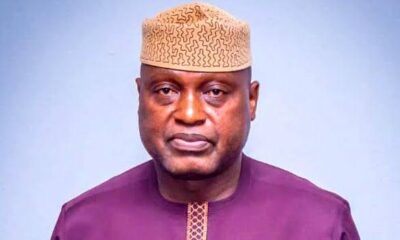
 politics1 year ago
 events1 year ago
 events1 year ago