
events
Travelogue: Rotarians connect, explore food and cultural attractions in Taipei


Over 35,000 Rotarians gathered for the Taipei Rotary Convention in June 2026, celebrating service, cultural exchange and friendship despite travel restrictions affecting some African delegates
Every year, Rotarians from around the world gather at a pre-selected city for the Rotary International Convention which presents a great opportunity to connect, seek international partners for projects, learn, and promote international understanding.
Also read: Taipei 2026: A historic Rotary Convention and Nigeria’s moment on the global stage
It was only in 2020 and 2021 that there were no in-person conventions due to the Covid-19 disease.
Taipei, Taiwan, would have hosted the 2021 convention but it was replaced by virtual events. So, it was no surprise that the 117th Rotary International Convention held in Taipei, Taiwan, from June 13 – 17, 2026.
It was much more than a gathering of global leaders committed to service. It was an unforgettable cultural journey that brought together thousands of Rotarians from every continent in more than 200 countries and geographical territories to celebrate fellowship, diversity, and the universal language of friendship.
However, Rotarians from the Democratic Republic of Congo (DRC) and Uganda could not join over 35,000 attendees in Taipei due to the spread of Ebola disease, necessitating travel restriction.
It was a big blow to Africa as more than 600 delegates from Uganda who were set on a solidarity mission missed the convention.
Emmanuel Katongole is from Uganda and he is Rotary International Director for Africa from July 1, 2026 for a two-year tenure.
This explains the massive registrations for the convention from Uganda. “We missed going to the convention in Taipei.
It wasn’t our making as Uganda had one of the biggest registrations,” Katongole lamented.
From District 9112 which I belong, our District Governor, Lanre Adedoyin, led over 130 Rotarians and Rotaractors to Taipei.
I flew from Lagos to Amsterdam with KLM for about six hours 15 mins, and continued with China Airlines nonstop to Taipei for another 13 hours.
As the airbus touched down at the Taiwan Taoyuan International Airport, Rotary volunteers were waiting to welcome delegates.
The exchange rate is US$1 = NTD 31.73 (New Taiwan Dollar) and in terms of time difference, Taiwan, with a population of about 23.25 million people, is seven hours ahead of Nigeria.
After a taxi ride lasting about 45 mins for NTD1,350, I checked into Aloft Taipei Beitou, a Rotary partner hotel.
We experienced warm and humid weather accompanied by widespread cloud cover, and intermittent showers and thunderstorms.
From the moment delegates arrived at the airport, the efficiency, cleanliness and orderliness of Taiwan’s capital made a lasting impression.
Taipei is a city where futuristic skyscrapers stand comfortably beside ancient temples, bustling night markets blend with quiet tea houses, and technology complements rather than replaces tradition.
It is no surprise that the city continues to rank among Asia’s most attractive destinations for international conferences.
According to media reports, Nvidia, an American multinational technology company, plans to spend up to $150 billion annually on its supply chain partners in Taiwan.
Announced by CEO Jensen Huang, the massive capital outlay underscores the island’s status as the “epicentre of the AI revolution” and cements its role as the global manufacturing hub for advanced hardware.
The $150 billion annual spend (up from the previous $100 billion) will be directed at key Taiwanese partners, most notably Taiwan Semiconductor Manufacturing Company (TSMC). It will also support other essential ecosystem players like Foxconn, Quanta Computer, and Delta Electronics.
Beyond the inspiring plenary sessions, networking events and service projects, Taipei itself became an open-air classroom where visitors experienced the warmth of Taiwanese hospitality, sampled world-class cuisine and immersed themselves in centuries-old traditions.
For Rotarians, the convention was a perfect example of Rotary’s enduring theme of “Service Above Self.” Conversations that began in meeting rooms continued over shared meals, train and bus rides, and during evening strolls through Taipei’s vibrant streets.
Language barriers quickly disappeared as smiles, handshakes and Rotary fellowship united people from different cultures.
The first big lesson in Taiwan is “gratitude.” We learnt how to say “thank you” in mandarin. Just say, “xie xie” with a smile.
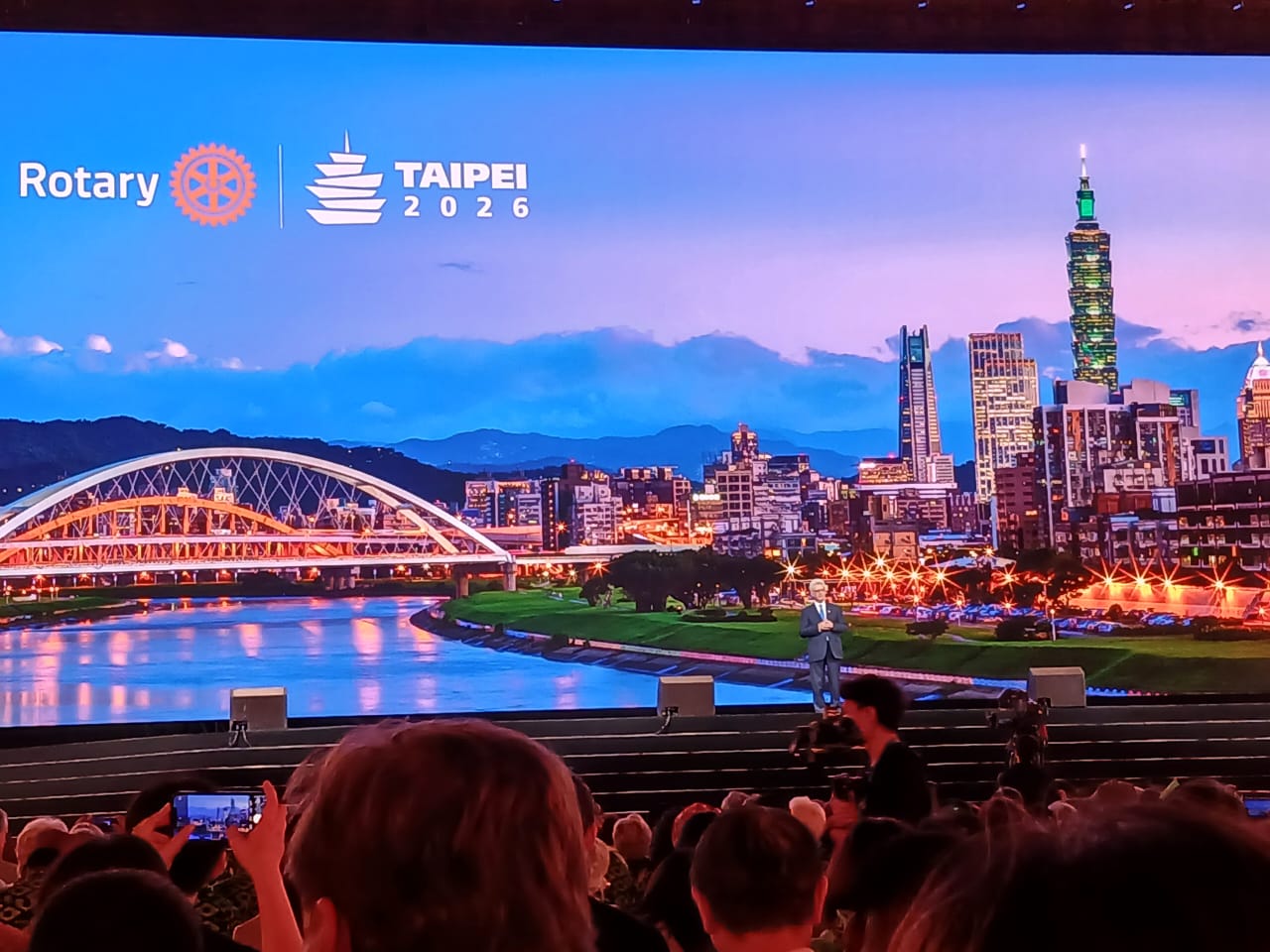
What first-time visitors to Taiwan would notice upon arrival isn’t the skyline – it’s the smell.
As we stepped off the MRT at the Taipei City Hall on the evening of June 13 with convention badges still crisp around our necks, the air carries the smell of ginger, soy and charcoal smoke.
In Taipei, MRT stands for Mass Rapid Transit. It is the official name for the city’s extensive, highly efficient, and famously clean rapid transit and subway network, also known as the Taipei Metro.
The MRT connects Taipei City with the surrounding New Taipei City, featuring six major rail lines and covering over 150 kilometres. Stations are clean, air-conditioned, accessible, and strictly prohibit smoking, eating, and drinking.
Trains run daily from 6:00 AM to midnight. Except you took a taxi or cab hailing service, Rotarians were issued a travel pass (MRT card) for the metro service.
Buses were also provided by the host organising committee to convey delegates on three routes leading to the Taipei Dome and Nangang Exhibition Centre.
Rotarians explored Taipei’s famous night markets.
The lively atmosphere, colourful lights and endless rows of food stalls created an unforgettable sensory experience.
The aroma of grilled seafood, sizzling beef, roasted duck and freshly prepared dumplings filled the air as visitors sampled authentic Taiwanese delicacies.
By 7.00 PM, the Shilin Night Market is alive. As Rotarians, we’re trained to assess needs and allocate resources.
Here, the resource is stomach space and the need is universal. For a moment, we abandon project spreadsheets.
Taiwan’s culinary diversity reflects centuries of Chinese, Japanese and indigenous influences.
Delegates enjoyed steaming bowls of beef noodle soup, widely regarded as Taiwan’s national dish, alongside delicious xiao long bao (soup dumplings), crispy scallion pancakes, braised pork rice and fresh seafood prepared with remarkable precision.
Tea lovers discovered another treasure. Taiwan produces some of the world’s finest oolong teas, and traditional tea ceremonies introduced visitors to a centuries-old culture built on patience, hospitality and mindfulness.
Every carefully brewed cup became an invitation to calm down, appreciate the moment and engage in meaningful conversation.
Taipei’s cultural attractions offered equally memorable experiences.
Many delegates visited the iconic Taipei 101, once the world’s tallest building. Rotarians from District 9112 also visited Taipei 101 and reached the top floor of the building for a breathtaking panoramic view from its observation deck.
It revealed a city surrounded by lush mountains, winding rivers and carefully planned urban landscapes.
The tower itself symbolises Taiwan’s remarkable economic transformation into one of Asia’s technology powerhouses.
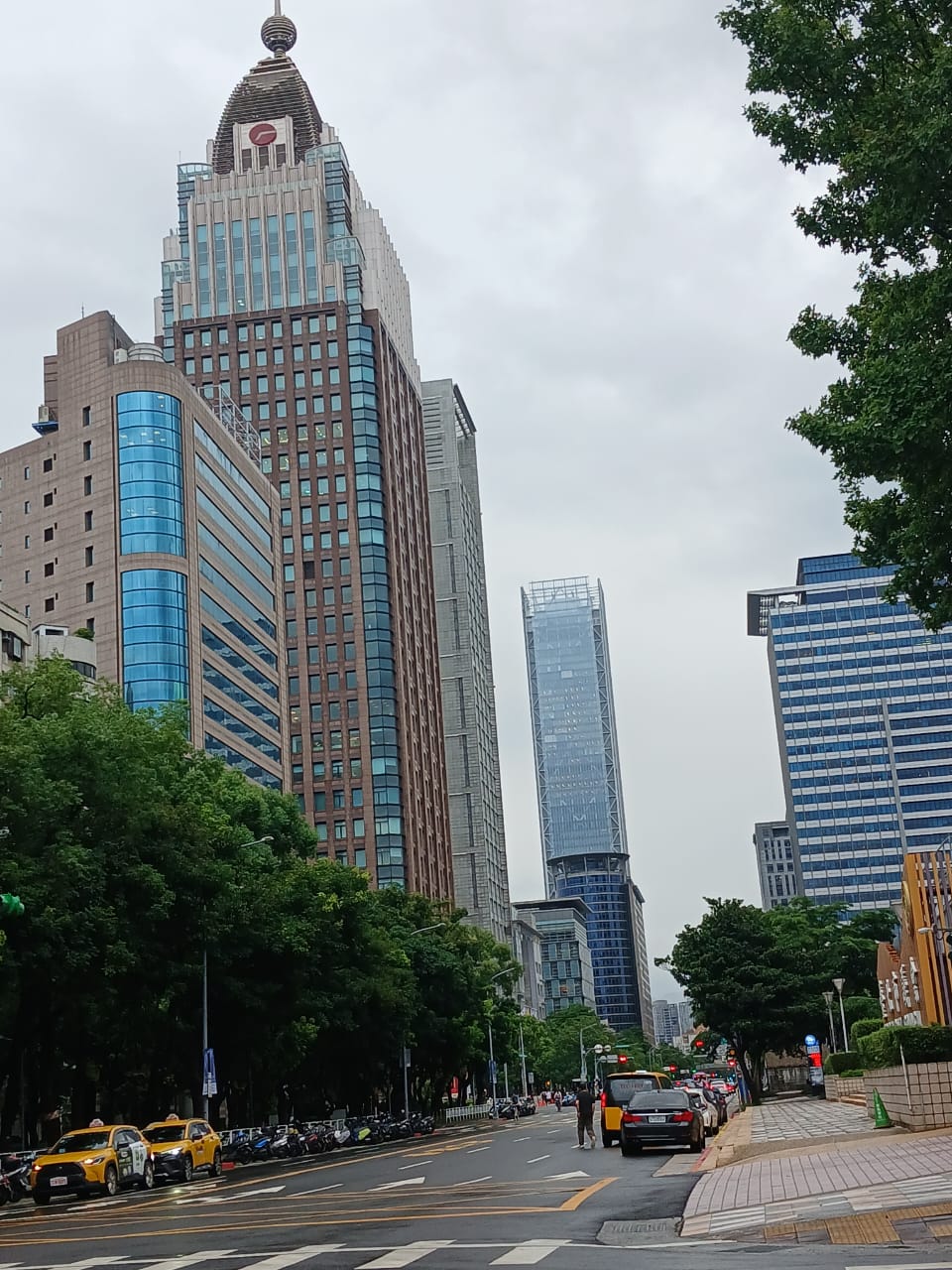
Taipei 101 has a total architectural height of 508 metres (1,667 feet) from the ground to the tip of its spire, making it the tallest building in Taiwan.
The top floor height is 448 metres (1,470 feet). It takes less than a minute to the upper observatory of Taipei 101.
The high-speed elevators travel at about 1,010 metres per minute, and whisk visitors from the fifth floor to the 89th-floor observation deck in just 37 seconds.
History enthusiasts found inspiration at the National Palace Museum, home to one of the world’s richest collections of Chinese imperial treasures.
Thousands of priceless artefacts preserved centuries of artistic excellence, calligraphy, ceramics and jade carvings, offering visitors a deeper appreciation of Chinese civilisation and Taiwan’s role in preserving its cultural heritage.
Equally captivating were visits to Taipei’s ancient temples as Rotarians shared their experiences. At Longshan Temple, incense smoke drifted gently through beautifully carved halls as worshippers offered prayers with quiet devotion.
The temple’s architecture, intricate dragon sculptures and colourful decorations reflected Taiwan’s rich spiritual traditions, where Buddhism, Taoism and Confucian beliefs coexist harmoniously.
Nature also played its part in enriching the Taipei experience.
The city’s parks, riverside walkways and nearby mountains demonstrated Taiwan’s commitment to environmental sustainability.
Many delegates took early morning walks before convention sessions, enjoying the peaceful surroundings while observing residents practicing tai chi, jogging or cycling through beautifully maintained public spaces.
Yet, beyond the tourist attractions, what stood out most was the kindness of the Taiwanese people. Volunteers at the Rotary Convention, students, taxi drivers, restaurant staff and ordinary citizens consistently displayed warmth, courtesy and a willingness to assist international visitors.
Their hospitality transformed every interaction into an opportunity for cultural exchange.
The convention also reinforced Rotary’s role as one of the world’s greatest platforms for building international understanding.
Delegates from countries facing political differences – similar to the geopolitical tensions before the opening match at the ongoing World Cup in the USA, Canada and Mexico – shared meals, exchanged ideas and celebrated common humanitarian goals. In a world increasingly divided by conflict and mistrust, Rotary demonstrated once again that friendship remains one of humanity’s strongest bridges.
Delegates departed Taipei carrying much more than conference materials and souvenirs.
They returned home with renewed inspiration, stronger friendships and a deeper appreciation for Taiwan’s remarkable blend of history, innovation and hospitality.
Travel, after all, is one of the world’s greatest teachers. It broadens perspectives, challenges assumptions and reminds us that while cultures may differ, our shared humanity remains constant. Taipei offered Rotarians precisely that lesson.
After the General Closing Session on June 17 at the Taipei Dome, District Governor Lanre Adedoyin led Rotarians from District 9112 to dinner at the magnificent Grand Hyatt, just beside the Tawan Trade Centre, where I looked up and saw the Nigerian flag, amongst flags of other nations, caressing the Taipei skyline. It was a 20-minute walk to Grand Hyatt which enabled another round of sightseeing.
As Rotarians continue their journeys of service across the globe, Taipei will remain a shining reminder that the best conventions are not measured only by the resolutions adopted or speeches delivered, but also by the friendships forged, the cultures embraced and the memories created beyond the conference halls.
Also read: Rotary Conference in Abeokuta to Honour Ehi Braimah
Rotarians and Rotaractors will gather in Barcelona, Spain for the next Rotary International Convention that will hold from June 26 – 30, 2027.


Spelling Bee Nigeria Season 3 opens for students aged 8 to 13, offering a powerful route to national recognition and international exposure in the US (more…)
-

 news1 year ago
Comfort Emmanson Yet to Decide on Legal Action Against Ibom Air
-

 politics1 year ago
Labour Party Protest Slams INEC Over Candidate Exclusion in Bye-Elections
-

 entertainment2 years ago
Bolanle Austen-Peters hit stage play, “Dear Kaffy”, returns to Lagos for special Easter showing after international success
-

 entertainment2 years ago
Ayra Starr teases new collaboration with Wizkid, sending fans into frenzy
-

 politics2 years ago
Court rules in favour of Isale-Eko community on intellectual property rights over “Gangs of Lagos” film
-

 politics1 year ago
Ekiti Governor Politicise Elemure Stool in Shocking Traditional Betrayal
-

 events2 years ago
Anietie Udoh joins AME awards 2025 Grand Jury, elevating Nigeria’s IMC presence
-

 events2 years ago
Nigerian-American Chamber of Commerce to inaugurate 20th president, executive council, unveils bold economic agenda