Economists say Tinubu’s economic reforms have stabilised Nigeria’s economy, with gains in reserves, forex, and growth, now beginning to reach citizens
Nigeria’s economy is showing clear signs of recovery as the macroeconomic reforms initiated by President Bola Ahmed Tinubu begin to yield tangible results, economists and business leaders confirmed this week.
While acknowledging the persistent hardship faced by many Nigerians, experts noted that the tough but necessary policy decisions have stabilised the economy, attracted foreign inflows, strengthened the currency, and are now beginning to filter into the real economy.
Speaking on RayPower FM’s Factfile, Dr Muda Yusuf, CEO of the Centre for the Promotion of Private Enterprise (CPPE), stated that the country has moved from a state of “systemic uncertainty to relative stability.”
“To fix a fundamentally broken system comes with a lot of pain. But the worst of those pains is over. We are seeing steady improvement, and the economy is no longer on the brink,” Yusuf said.
He described the economic reforms as “inevitable surgery” on a system that was close to collapse in early 2023, with foreign reserves below $5 billion, massive subsidy fraud, and blocked Letters of Credit due to dwindling forex liquidity.
- Foreign reserves have risen to $43 billion, from less than $10 billion in 2023.
- The naira has appreciated, now trading below ₦1,500/$, after hitting almost ₦1,800 in 2024.
- Inflation is falling, with a projected drop to 15% by December 2025, according to Dr Ayo Teriba of Economic Associates.
- Foreign Direct Investment (FDI) and portfolio inflows are returning.
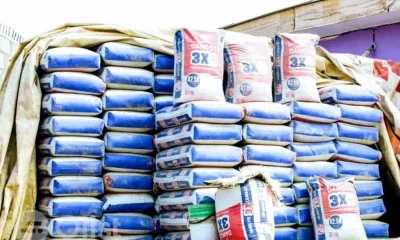
- Corporate profitability is improving, with previously struggling sectors such as telecoms, banking, cement and pharmaceuticals bouncing back.
Dr Ayo Teriba confirmed that Nigeria has exited the economic risk zone and entered a recovery phase.
“This is not paper improvement. Companies are returning to profitability, states are adjusting wages and investing in infrastructure. Recovery is spreading,” he said.
He pointed to the CBN’s monetary easing and strong fundamentals — including a current account surplus of $8.2 billion — as signs that the economy is on firmer ground.
Investment banker Adetilewa Adebajo described the economy as being at “half time,” with policy coordination improving between fiscal and monetary authorities.
“We’ve seen the government reduce Ways and Means financing, and the CBN is imposing stricter controls. These are critical to long-term discipline and growth,” he said.
While corporate stability is evident, Yusuf emphasised the need to **boost consumer confidence.
“Investors’ confidence is improving, but consumer confidence is still weak. That’s the next area government must address — making everyday Nigerians feel the benefits,” Yusuf said.
He acknowledged the pain caused by high inflation and tight credit conditions but noted that recent Central Bank decisions — including a cut in the Monetary Policy Rate (MPR) and Cash Reserve Ratio (CRR) — signal a shift toward a more supportive lending environment.
Government recapitalisation of development banks such as BoI and BoA is also expected to expand access to single-digit loans for entrepreneurs.
Several analysts pointed to early signs of easing prices:
- A bag of rice, once ₦120,000, now sells for between ₦65,000 and ₦70,000.
- Pharmaceutical and dairy products have also seen marginal price reductions.
These improvements are tied to forex stability, easing import costs, and reduced fuel importation due to domestic refining.
Yusuf said state and federal infrastructure projects are beginning to materialise, funded by revenues previously lost to fuel subsidies.
He cited the Dangote Refinery, now exporting to Europe and the US, as a symbol of the new economic narrative.
States like Enugu, Akwa Ibom, and Kaduna have begun adjusting wages and rolling out transport infrastructure, creating jobs and spurring local economies.
Yusuf highlighted rising activity in ICT, e-commerce, and entertainment, where young entrepreneurs are thriving.
He described Nigeria as a country with “huge demand for everything,” providing ample opportunity for innovation and enterprise.
While challenges remain — especially around welfare, wages, and food affordability — experts agree that President Tinubu’s economic reforms have reset Nigeria’s macroeconomic trajectory.
What remains, they argue, is for government to translate stability into prosperity by focusing on consumer welfare and inclusive growth.
“We are turning the corner,” said Dr Teriba. “The next phase is ensuring recovery reaches the pockets of ordinary Nigerians.”





 news10 months ago
 politics11 months ago
 entertainment1 year ago
 entertainment1 year ago
 politics1 year ago
 politics11 months ago
 events1 year ago
 events1 year ago