US troop withdrawal will not weaken Nigeria’s security partnership with Washington, DHQ says, as intelligence, training and counter-terrorism cooperation continue
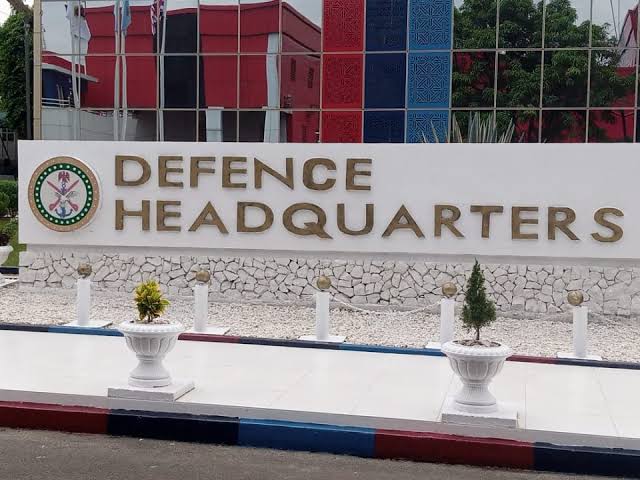
The Defence Headquarters on Tuesday, September 1, 2026, in Abuja reassured Nigerians that the planned withdrawal of more than 200 United States military personnel from Nigeria would not undermine the country’s enduring security cooperation with Washington.
Director of Defence Information, Major-General Samaila Uba, gave the assurance at the Joint Security News Briefing, saying the adjustment in US military presence should not be interpreted as a breakdown in bilateral security relations.
“The relationship between Nigeria and the United States remains strong, enduring and mutually beneficial,” Uba said.
The US troop withdrawal follows a period of intensified security cooperation between Washington and Abuja, particularly in intelligence gathering, counter-terrorism, training and operational support.
Uba explained that US military deployments were linked to specific operational and counter-terrorism objectives. He said changes in the number of American personnel in Nigeria should therefore be viewed as part of the evolving nature of the partnership.
According to the Defence spokesman, intelligence cooperation, training, information sharing and other areas of professional military engagement will continue despite the reduction in US personnel.
“The responsibility for the defence of Nigeria and the protection of its citizens rests primarily with Nigerian security forces,” Uba said.
The statement underscores the Nigerian military’s position that foreign security partnerships are designed to strengthen the country’s capabilities rather than replace the responsibility of its own security forces.
Uba said Nigeria and the United States would continue to jointly assess emerging security needs and could undertake additional measures, including joint strikes, whenever both countries considered such action necessary.
He said the partnership had produced favourable results in the fight against terrorism and other transnational security threats.
The reassurance comes as Nigerian security forces continue operations against terrorists and armed criminal groups in different parts of the country.
Uba urged the media and members of the public not to interpret routine adjustments in foreign military deployments as evidence of a collapse in bilateral security cooperation or Nigeria’s defence capabilities.
He said the Armed Forces remained focused on kinetic operations against terrorists and other armed groups threatening the lives and property of Nigerians.
“Our major job is kinetic operations. As much as possible, we want to take down all the terrorists in Nigeria, or anybody who takes up arms against citizens,” he said.
The Defence Headquarters, however, said kinetic operations would continue alongside non-kinetic interventions under what it described as a whole-of-society and whole-of-nation approach.
Uba stressed that such interventions should not be interpreted as a willingness by the military to negotiate with terrorists or encourage the payment of ransom.
He explained that some non-kinetic initiatives were led by state governments and other civilian authorities, with the military providing support where required.
The distinction, he said, was important because the Nigeria Police Force remains the lead agency for internal security, while the Armed Forces provide support when the scale or nature of a threat requires military capabilities.
The US troop withdrawal therefore represents a change in the scale of American military presence rather than an end to security cooperation between Nigeria and the United States.
For Nigeria, the development places renewed emphasis on strengthening domestic intelligence, operational capacity and coordination among the country’s security agencies.
The continued relationship with Washington is expected to preserve important channels for intelligence sharing, military training and technical assistance as Nigerian forces remain at the forefront of the country’s fight against terrorism.
The Defence Headquarters has maintained that the ultimate objective is to build a stronger Nigerian security architecture capable of protecting citizens while making effective use of strategic international partnerships.
For now, the message from Abuja is clear: the reduction in US military personnel does not signal a retreat from the Nigeria-US security relationship. Rather, the two countries are continuing to adjust their cooperation to meet changing security priorities.





 news1 year ago
 politics1 year ago
 entertainment1 year ago
 entertainment1 year ago
 politics1 year ago
 politics1 year ago
 events2 years ago
 events2 years ago