Connect with us

Health

FEC Approves N9.99bn for ARVs, Cancer Centre Upgrades

Published

on

FEC

FEC approves N9.99bn to procure ARVs and upgrade cancer centres, enhancing healthcare access for Nigerians and supporting local pharmaceutical capacity

The Federal Executive Council on Wednesday approved N9.99bn for the procurement of antiretroviral medicines for people living with HIV/AIDS and the upgrade of cancer treatment facilities across Nigeria.

Advertisement

Also read: Nigeria Launches Free Cancer Screening for 1,000 People in Ebonyi

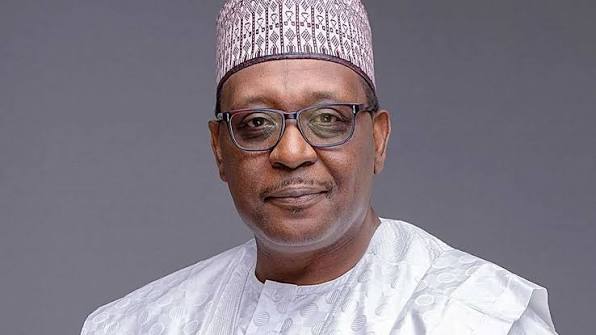
The approvals were announced by the Minister of State for Health and Social Welfare, Iziaq Salako, following the FEC meeting at the State House, Abuja.

Iziaq Salako said the funding will end concerns over potential ARV shortages. “Earlier in the year, there was anxiety that Nigeria was going to run out of ARVs. With this approval, that anxiety is laid to rest,” he stated.

The minister disclosed that Fidson Healthcare has been awarded the project to procure ARVs under the presidential treatment programme, which provides free life-saving drugs to millions of Nigerians living with HIV and AIDS.

Advertisement

The initiative is also expected to strengthen local production capacity over time.

“The project has been awarded to Fidson Healthcare so that gradually, over time, the capacity to manufacture ARV drugs in-country can be enhanced,” Iziaq Salako explained, noting that Fidson represents a global brand, Hetero, in Nigeria.

Salako emphasised that government support for local pharmaceutical companies encourages investment, expands capacity and strengthens the healthcare value chain.

Advertisement

In addition to ARVs, the FEC approved funding for the replacement, upgrade, and training for cancer treatment in six centres, one per geopolitical zone, to ensure continuity of radiotherapy services.

“This is to replace, upgrade and provide training for cancer treatments in six of our cancer centres so that radiotherapy, which is an essential part of cancer treatment, can continue in these centres,” the minister said.

Nigeria’s cancer care has been constrained by insufficient equipment, forcing many patients to seek expensive treatment abroad. The upgrades are expected to improve access to radiotherapy and other essential cancer treatments for Nigerians.

Advertisement

On the ongoing Lassa fever outbreak, Iziaq Salako said the Centre for Disease Control is actively responding, supporting affected states and investing in the development of a vaccine.

“Health workers must observe normal protocols and wear protective gear to reduce risk. We sympathise with those who lost their lives serving during outbreaks,” the minister said.

Also read: Cancer Treatment Subsidy Nigeria Sparks Hope as FG Unveils Affordable Radiotherapy Plan

Lassa fever, endemic in Nigeria, typically peaks between November and May. It is transmitted through contact with contaminated food or household items and can spread person-to-person in healthcare settings where infection control measures are inadequate.

Advertisement

Continue Reading
Advertisement
Click to comment

Leave a Reply

Your email address will not be published. Required fields are marked *

Health

FG Approves ₦45.08bn for Disease Detection Systems at Five Airports

Published

on

The Federal Government has approved ₦45.08 billion for the deployment of an integrated biosecurity and disease surveillance system at five international airports across Nigeria.

The Coordinating Minister of Health and Social Welfare, Prof. Muhammad Ali Pate, disclosed this after Wednesday’s Federal Executive Council meeting chaired by President Bola Tinubu at the State House in Abuja.

Advertisement

According to the minister, the project will be implemented through a 20-year public-private partnership with the BioHealth Consortium. It is aimed at strengthening Nigeria’s capacity to detect and respond swiftly to emerging infectious disease threats.

The initiative will cover airports in Lagos, Abuja, Kano, Port Harcourt and Enugu. The technologies to be deployed include aircraft wastewater surveillance, air and surface sampling, and specialised pathogen detection systems.

Pate said the surveillance network would monitor a range of potentially dangerous pathogens, improve coordination among relevant agencies, and strengthen health security at Nigeria’s borders.

Advertisement

The minister also provided an update on the country’s Ebola situation, confirming that the patient diagnosed in October has recovered.

He added that contact tracing and other containment measures were still ongoing to prevent further spread.

Advertisement
Continue Reading

Trending