
Security
Obasa Urges Nigerians to Partner Government in Fight Against Insecurity


Lagos Assembly Speaker says security is a shared responsibility, calling on citizens to work with government to promote peace, justice and national unity
Speaker of the Lagos State House of Assembly, Rt. Hon. (Dr.) Mudashiru Ajayi Obasa, on Wednesday called on Nigerians to actively support government efforts to combat insecurity, describing citizenship as a sacred covenant that requires collective responsibility for peace, unity and national development.
Also read: Obasanjo, Gbenga Daniel Attend Yomi Edu 80th Birthday
Obasa made the appeal during the 17th Annual Hijrah Lecture and Du’a held at the Lagos State House of Assembly Complex in Alausa, Ikeja, where he addressed scholars, clerics, government officials and members of the public on the theme, “Sacred Covenant of Citizenship: Islam, Security & Our Duty to the Nigerian State.”
The Lagos Assembly Speaker said insecurity remains one of the country’s most pressing challenges and stressed that addressing it cannot be left to government alone.
According to him, citizens have a crucial role to play in strengthening security through vigilance, accountability and adherence to civic responsibilities.
“Security is one of the greatest blessings of Allah. Without it, worship is disrupted, commerce collapses, and education suffers,” Obasa said.
“But security is not the government’s duty alone. It is a shared responsibility. Citizens must report crimes, resist corruption, and promote justice. Leaders must govern with fairness, transparency, and compassion. Together, we form the covenant of citizenship.”
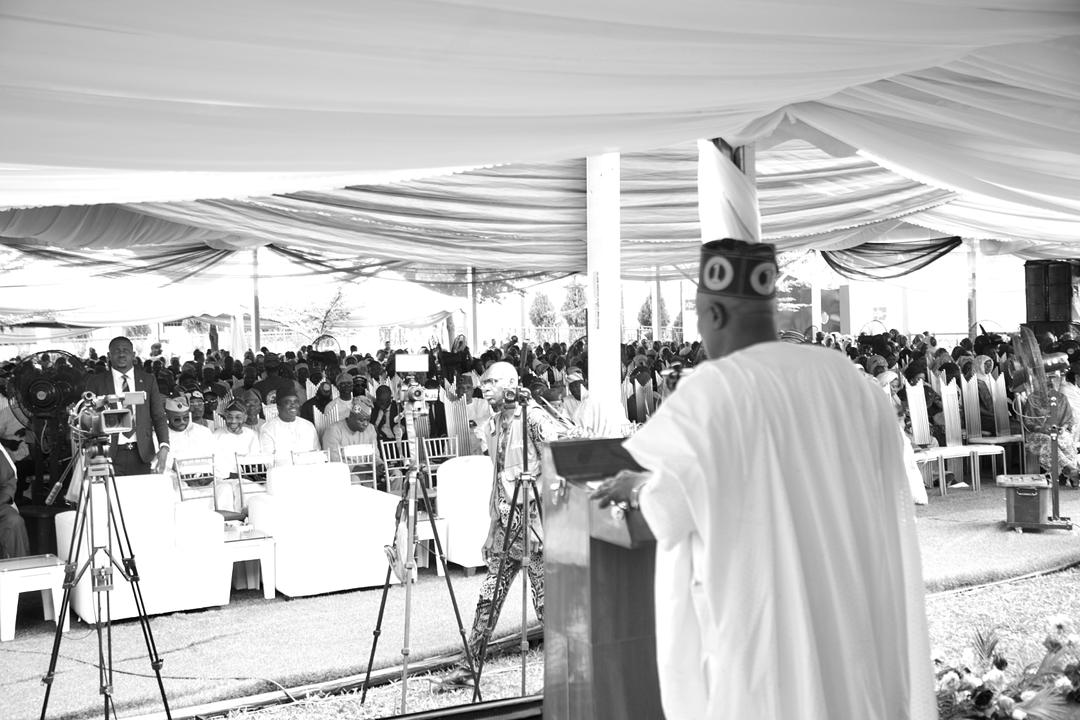
Speaking further, Obasa drew lessons from Islamic teachings, emphasising the values of justice, unity and respect for lawful authority as essential pillars for national stability.
He urged Nigerians to embrace the country’s diversity and reject divisions based on ethnicity, religion or regional affiliation.
“Citizenship is the bond that unites us beyond tribe and religion. Our duty to Nigeria is to rise above divisions, to see ourselves as one people, and to work together for peace and progress,” he stated.
The lecture comes amid continuing national conversations about insecurity, social cohesion and the role of citizens in supporting government initiatives aimed at strengthening public safety and national unity.
Highlighting ongoing efforts by the Federal Government, Obasa commended the administration of President Bola Ahmed Tinubu for pursuing reforms designed to improve economic stability, enhance security and foster national integration.
“His government has embarked on reforms aimed at stabilising our economy, strengthening national security, and fostering unity across our diverse communities,” Obasa said.
“These efforts, however, cannot succeed in isolation. They require the active support, cooperation, and sacrifice of every citizen.”
The event also featured contributions from religious and security experts who reinforced the importance of collective action in addressing the country’s security challenges.
One of the guest speakers, Air Commodore (Imam) Lukman Abiodun Lawal, echoed Obasa’s position, arguing that government institutions alone cannot overcome insecurity without public cooperation.
Lawal urged Nigerians, particularly human rights advocates and media practitioners, to approach their responsibilities with wisdom and patriotism.
He called on media organisations to avoid sensational reporting that could inadvertently aid criminal elements, while encouraging citizens to support security agencies through constructive engagement and responsible information sharing.
The senior military officer also appealed to young Nigerians to remain hopeful and continue offering prayers for the nation and its security personnel.
According to him, spiritual support complements civic responsibility and remains an important component of national resilience.
Other guest speakers at the event included Sheikh Adurrahmeen Abdullah Salaty Albaarizy and Sheikh Ahmad Bukhari (Al-Mukhtar), who spoke on the importance of moral leadership, social harmony and community participation in nation-building.
The annual Hijrah Lecture, which commemorates the Islamic New Year, has become a platform for discussing contemporary social and governance issues through the lens of faith, ethics and public responsibility.
This year’s edition focused heavily on the relationship between citizenship, security and national development, with participants stressing that sustainable peace can only be achieved when government and citizens work together toward shared goals.
Also read: Obasa Praises Alake, Omatseye, Others Over Democracy Recognition
The discussion concluded with a renewed call for unity, civic engagement and responsible leadership as key ingredients for overcoming Nigeria’s security and development challenges.


The NSCDC in Gombe arrested a 22-year-old over alleged cable vandalism and recovered 968.4 metres of abandoned power transmission cable (more…)
-

 news1 year ago
Comfort Emmanson Yet to Decide on Legal Action Against Ibom Air
-

 politics1 year ago
Labour Party Protest Slams INEC Over Candidate Exclusion in Bye-Elections
-

 entertainment2 years ago
Bolanle Austen-Peters hit stage play, “Dear Kaffy”, returns to Lagos for special Easter showing after international success
-

 entertainment2 years ago
Ayra Starr teases new collaboration with Wizkid, sending fans into frenzy
-

 politics2 years ago
Court rules in favour of Isale-Eko community on intellectual property rights over “Gangs of Lagos” film
-

 politics1 year ago
Ekiti Governor Politicise Elemure Stool in Shocking Traditional Betrayal
-

 events2 years ago
Anietie Udoh joins AME awards 2025 Grand Jury, elevating Nigeria’s IMC presence
-

 events2 years ago
Nigerian-American Chamber of Commerce to inaugurate 20th president, executive council, unveils bold economic agenda