Connect with us

business

Taiwo Oyedele dismisses fake tax reform claims, assures fairness

Published

on

Taiwo Oyedele

Taiwo Oyedele dismisses circulating tax reform misinformation, highlighting fairness, relief for low-income earners, and protection for small businesses

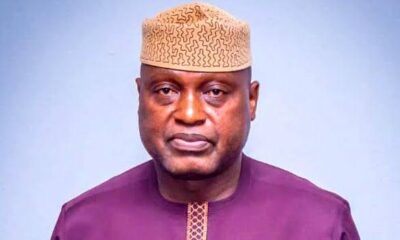
Mr. Taiwo Oyedele, Chairman of the Presidential Fiscal Policy and Tax Reforms Committee, has described documents circulating on Nigeria’s new tax reform laws as fake and misleading, warning that public speculation could undermine the benefits of the legislation.

Also read: FIRS Confirms NIN as Official Tax ID for Nigerians

Oyedele stressed that any allegation of alterations to the signed bills can only be verified by comparing the gazetted version with the certified harmonised bills approved by both the Senate and the House of Representatives.

Advertisement

He said the harmonised documents are not yet publicly available, making claims of changes speculative.

Oyedele cited examples of circulating documents containing provisions that existed only in earlier drafts, emphasising that misinformation threatens the transparency and integrity of Nigeria’s legislative process.

He called for a near tamper-proof system for handling bills, likening the seriousness of legislation to the printing of currency or ballot papers.

Advertisement

Addressing public concerns over implementation, scheduled for January 1, 2026, Oyedele warned that delaying the reforms could deprive small businesses and low-income earners of significant reliefs embedded in the laws.

He said only the National Assembly has the authority to postpone implementation, and any such action should follow formal legislative verification.

Oyedele explained that the reforms are structured to reduce costs, not raise them.

Advertisement

He highlighted benefits including VAT input credits on assets and overheads, lower corporate income tax, and tax relief for 98 per cent of workers.

Small businesses earning up to ₦100 million annually will be exempt from corporate tax, VAT, and withholding tax.

He also dismissed fears of higher personal income tax, clarifying that individuals earning ₦2 million or less monthly will pay less or no tax.

Advertisement

Taxable income is calculated after deductions for statutory contributions, insurance, mortgage interest, rent reliefs, and approved allowances, with the first ₦800,000 taxed at zero percent.

Only the top two per cent of earners may see a marginal increase, with the highest rate of 25 percent applying to those earning near ₦1 billion annually.

For informal and micro-businesses, Oyedele said a presumptive tax system protects operators earning up to about ₦40,000 daily, ensuring many artisans, roadside vendors, and small entrepreneurs remain exempt.

Advertisement

He added that thresholds and reporting requirements reduce unnecessary compliance burdens and prevent abuse by individual tax officers.

Oyedele outlined the rigorous process behind the reforms, which involved a diverse team over two and a half years reviewing Nigeria’s tax system.

The committee’s work included harmonising multiple bills, engaging the public on policy rationale, and monitoring the gazetting process to ensure accuracy.

Advertisement

Also read: MFM hosts Rivers seminar on new tax law reforms

He urged Nigerians to rely on verified sources, stressing that the reforms are designed to enhance fairness, transparency, and economic inclusion while reducing the tax burden on low-income earners.

Advertisement
Continue Reading
Advertisement
Click to comment

Leave a Reply

Your email address will not be published. Required fields are marked *

Banking

Union Bank Faces Serious Misconduct Allegations as CBN Steps In

Published

on

Union Bank

Union Bank misconduct allegations surface as CBN intervenes to stabilise the bank amid claims of hidden losses and financial irregularities

(more…)

Advertisement
Continue Reading

Trending