Connect with us

Oil&Gas

Dangote refinery fuel truck charges spark outrage

Published

on

Dangote refinery fuel truck charges spark row with NUPENG as Dangote alleges N50,000 fee per truck worsens fuel prices. Experts demand government probe

Dangote refinery fuel truck charges have become the centre of a growing controversy, after Aliko Dangote accused the Nigerian Union of Petroleum and Natural Gas Workers (NUPENG) of levying up to ₦50,000 per truck loading fuel at his refinery.

Also read: Dangote Refinery free delivery scheme halts self-collection

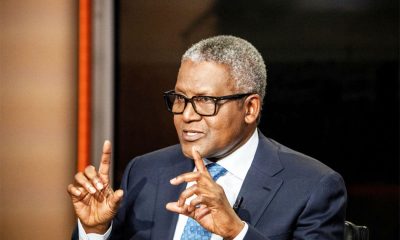
Speaking to reporters on Sunday, Dangote warned that such “rent-seeking” practices are inflating the cost of fuel, with consumers ultimately bearing the burden. “Who pays for that cost? The consumer actually pays,” he said, referring to combined charges per truck allegedly reaching ₦84,000.

Advertisement

Industry experts were quick to react, questioning how a labour union could take on the role of a de facto tax authority. “Is NUPENG now a tax-collecting agency?” asked Professor Dayo Ayoade, an energy law expert. “This runs contrary to the mandate of a workers’ union.”

While NUPENG did not deny the allegation outright, its President, Williams Akporeha, offered a cryptic response: “N50k now? No more ₦1 per litre?” In previous statements, Akporeha had challenged critics to “provide proof” of such charges.

The dispute comes on the heels of tensions between Dangote Group and the union over the employment of non-unionised drivers for the company’s new fleet of 4,000 Compressed Natural Gas-powered trucks.

Advertisement

Dangote insists union membership must remain voluntary, saying, “Even religion is voluntary—you cannot force anyone to convert.”

Dangote refinery fuel truck charges are seen by analysts as an invisible cost passed directly to consumers at the pump.

With Nigeria already battling foreign exchange pressures and high logistics costs, additional fees at the refinery gate could worsen the affordability crisis.

Advertisement

The Dangote Group’s move to deploy CNG trucks is part of a larger effort to reduce reliance on third-party diesel fleets and to avoid logistical disruptions.

“Now that we have launched our own trucks, we will not allow any group to hold us hostage,” Dangote said.

Legal observers say the issue may be less about unionisation and more about structural inefficiencies. “This is a governance problem,” said a senior petroleum consultant. “The government needs to regulate loading fees and make them transparent.”

Advertisement

Despite a government-brokered truce earlier this year, which saw depots reopened after a brief blockade by NUPENG, the dispute has resurfaced with renewed tension.

Industry stakeholders warn that these alleged Dangote refinery fuel truck charges, if not addressed, could undermine investor confidence in Nigeria’s refining sector, particularly as the country seeks to reduce dependence on imported petroleum products.

Also read: Dangote Refinery free delivery scheme halts self-collection

Calls are growing louder for the Federal Government to launch a formal investigation, define a regulatory framework for truck loading activities, and ensure that consumer protection is not compromised by unchecked union practices.

Advertisement


Advertisement
Continue Reading
Advertisement
Click to comment

Leave a Reply

Your email address will not be published. Required fields are marked *

business

Nigeria Manufacturing Slowdown Sparks Inflation Worry

Published

on

Nigeria

Nigeria manufacturing slowdown deepens as Stanbic IBTC PMI shows rising fuel costs and inflation pressures weakening private sector growth

(more…)

Advertisement
Continue Reading

Trending