World Bank Nigeria reforms call urges tighter fiscal, monetary discipline and transparency to sustain gains from subsidy and FX reforms
World Bank Nigeria reforms have once again taken centre stage as the global lender urges the Federal Government to sustain its economic reform momentum through tighter fiscal and monetary policies, improved transparency, and stronger institutional accountability.
In its latest Nigeria Development Update report titled “From Policy to People: Bringing the Reform Gains Home,” released on Wednesday, the World Bank commended Nigeria’s “substantial stabilisation progress” since 2023 but warned that the early gains could unravel without disciplined implementation and clear policy communication.
The report highlighted that President Bola Tinubu’s reform efforts including fuel subsidy removal, exchange rate unification, and fiscal consolidation — have set the economy on a more sustainable path.
However, it cautioned that sustaining this progress requires what it described as “credible commitment and policy coherence.”
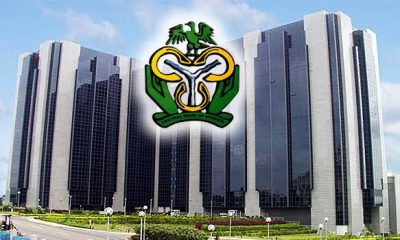
According to the bank, the Central Bank of Nigeria (CBN) must maintain a tight monetary stance, ensure positive real interest rates, and avoid monetising fiscal deficits.
“Reliance on the Monetary Policy Rate to control liquidity, supported by open market operations, remains essential,” it noted, adding that the CBN should publish monthly statements of assets and liabilities to strengthen confidence.
On the fiscal front, the report advised the Federal Government to boost non-oil revenues by modernising tax systems, reducing leakages, and adopting electronic invoicing.
It also urged a gradual increase in VAT rates to meet ECOWAS benchmarks and called for a comprehensive forensic audit of the Nigerian National Petroleum Company Limited (NNPCL).
The bank recommended that the government clear backlogs of unaudited accounts between 2022 and 2024 and maintain the deregulation of the petroleum sector to ensure competitiveness.
It also pressed for the adoption of cost-reflective electricity tariffs, balanced by targeted subsidies for low-income households.
Significantly, the report criticised Nigeria’s current model of revenue retention by government agencies, describing it as “fiscally inefficient and opaque.”
Agencies such as the Federal Inland Revenue Service, the Nigeria Customs Service, and the Nigerian Upstream Petroleum Regulatory Commission were identified as retaining disproportionate percentages of collected revenues.
In contrast, peer nations such as Kenya, Ghana, and South Africa maintain tighter parliamentary oversight over their revenue bodies, ensuring transparency and budget discipline. The World Bank therefore urged Nigeria to reform the system to “prevent erosion of fiscal credibility.”
Turning to the foreign exchange market, the report acknowledged the CBN’s progress in improving liquidity and transparency since unifying exchange rates in 2023.
It commended the apex bank’s “increased flexibility and maturity” in allowing the naira to adjust to oil price swings but warned that the currency remains vulnerable due to Nigeria’s narrow export base and reliance on short-term inflows.
By mid-2025, Nigeria’s current account balance posted a six per cent surplus of GDP a reflection of stronger exports, lower fuel imports, and the restart of local refining activities.
However, the World Bank warned that high inflation and global interest rate differentials could still undermine competitiveness if not carefully managed.
It called for consistent communication from the CBN regarding its FX intervention policies and urged the government to attract sustainable inflows through non-oil exports and remittances, not just short-term capital.
Ultimately, the World Bank Nigeria reforms analysis portrays a cautiously optimistic outlook one in which Nigeria’s economic stabilisation depends not only on reform policies but also on the government’s capacity to follow through with discipline, transparency, and accountability.






 news1 year ago
 politics1 year ago
 entertainment2 years ago
 entertainment2 years ago
 politics2 years ago
 politics1 year ago
 events2 years ago
 events2 years ago