Tanzania Dangote investments could expand into fertiliser, energy and infrastructure as Dar es Salaam seeks deeper industrial ties with Aliko Dangote
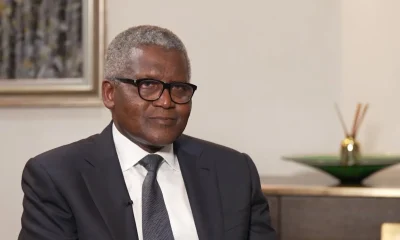
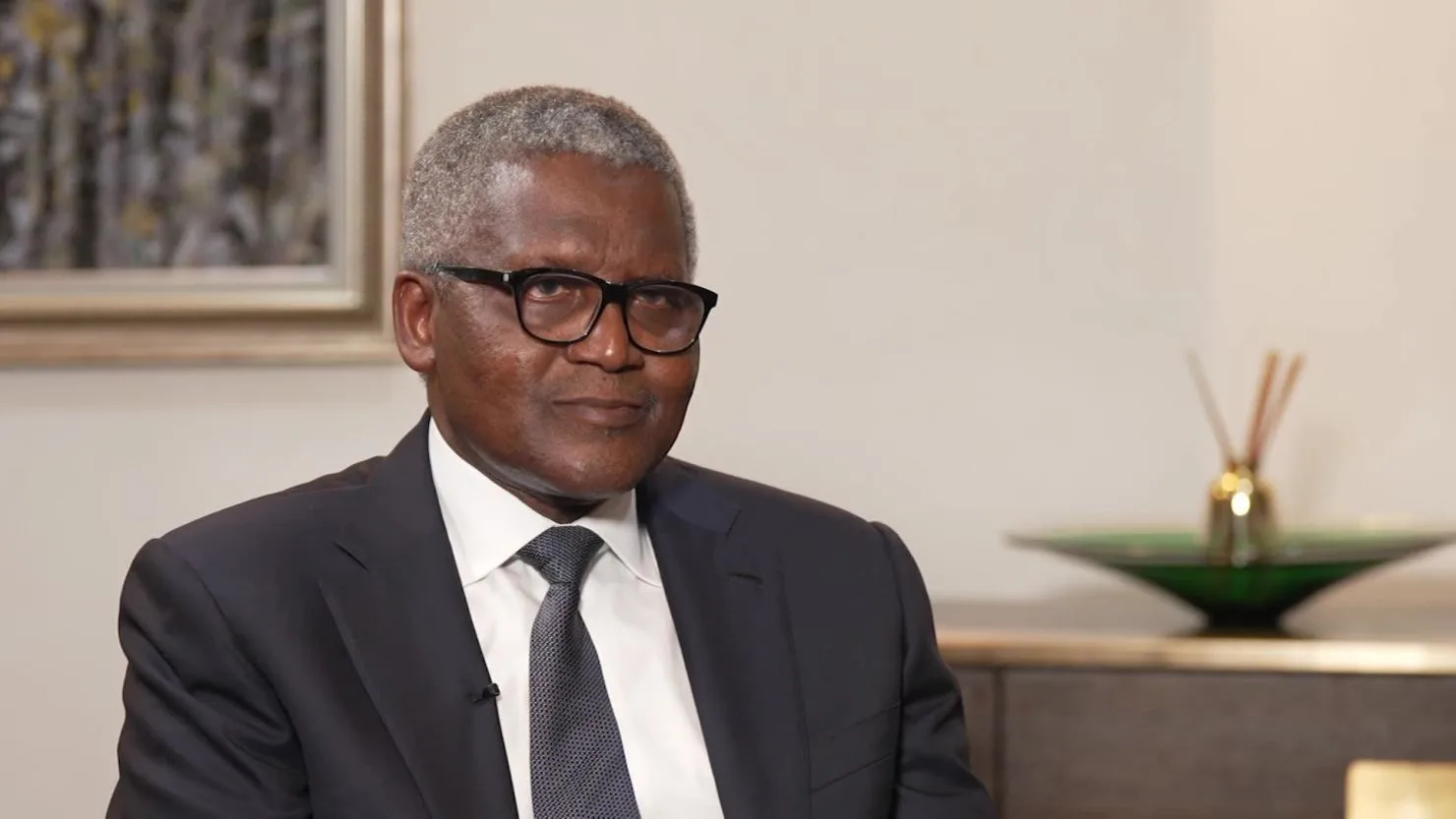
Tanzania’s Minister of State for Planning and Investment, Prof Kitila Mkumbo, and Dangote Group President and Chief Executive Aliko Dangote are advancing discussions over new investments in fertiliser, energy and industrial infrastructure, following a Tanzanian delegation’s visit to the Dangote Petroleum Refinery and Petrochemicals in Lagos on Thursday, 6 August 2026.
The visit represents a fresh step in Tanzania’s effort to attract additional investment from Dangote Group, building on existing operations and high-level discussions between Tanzanian President Samia Suluhu Hassan and Dangote.
Mkumbo said the delegation had visited the Lagos refinery to follow up on areas discussed by President Samia and Dangote, with Tanzania particularly interested in the conglomerate’s experience in fertiliser production and refining.
“We have come here to make a follow-up on what they deliberated with our president in terms of further Dangote investments in Tanzania,” Mkumbo said.
The discussions come less than two months after President Samia met Dangote in Dar es Salaam to explore opportunities in transport infrastructure, fertiliser production and energy.
According to Tanzania’s presidency, Dangote expressed willingness to expand cooperation with the government in strategic sectors, while President Samia directed relevant ministries and institutions to continue technical discussions on the proposed investment areas.
The latest engagement therefore appears to be part of a broader effort to turn those high-level discussions into specific investment opportunities.
Tanzania already has a substantial Dangote industrial footprint. Dangote Cement operates a 3.0 million-tonne-per-year integrated plant in Mtwara, which the company describes as the largest cement factory in Tanzania.
The facility was commissioned in December 2015 and serves both the domestic market and surrounding export markets.
The company has previously put the value of its Tanzanian cement investment at about $500 million, while Tanzanian officials have referred to the investment as being worth roughly $800 million.
The difference reflects varying descriptions of the investment’s overall value rather than a newly announced project.
For Tanzania, the attraction extends beyond individual projects.
Mkumbo argued that stronger cooperation with Dangote could help deepen African economic integration under the African Continental Free Trade Area and strengthen manufacturing capacity across the region.
“Africa now needs economic liberation, and that can only come through industrialisation,” he said.
His argument reflects Tanzania’s broader push to attract investment that can increase domestic production, create jobs and reduce dependence on imported industrial products.
Fertiliser is particularly important to that ambition because Tanzania is seeking to strengthen agricultural productivity while developing industries that can serve both its domestic market and neighbouring countries.
Dangote’s experience in fertiliser production in Nigeria has made the group a potentially attractive partner as Tanzania considers expanding its industrial base.
The conglomerate’s operations extend across several African markets, with Dangote Cement alone operating in 11 countries and reporting 55 million tonnes of production capacity across Africa.
Energy is another major part of the discussions.
Mkumbo pointed to the importance of local refining capacity at a time when disruptions in international oil markets can expose African economies to volatile fuel prices and supply pressures.
The minister said increased refining capacity could improve energy security and help reduce exposure to external shocks.
The Dangote Petroleum Refinery in Lagos has become a major example of Nigeria’s effort to increase domestic refining capacity, although the refinery’s scale and commercial performance should not automatically be taken as evidence that a similar project will be established in Tanzania.
No final investment decision or project value for new Dangote facilities in Tanzania was announced in the latest discussions.
That distinction is important as negotiations continue. Tanzania has expressed strong interest, while the June meeting confirmed Dangote’s willingness to explore expanded cooperation.
The latest visit indicates that the two sides are continuing to examine the opportunities rather than announcing completed projects.
The potential expansion would nevertheless represent a significant development in the relationship between Tanzania and one of Africa’s largest industrial groups.
For Tanzania, deeper cooperation could support its industrialisation strategy and strengthen links between manufacturing, energy and regional trade.
For Dangote Group, additional investment in East Africa would further extend a business model that has increasingly focused on building large-scale industrial operations across the continent.
The next stage will depend on technical assessments, commercial negotiations and government approvals.
For now, Tanzania is making a clear pitch for more Dangote investment, with fertiliser, energy and infrastructure at the centre of an increasingly ambitious economic partnership.










 news1 year ago
 politics1 year ago
 entertainment1 year ago
 entertainment1 year ago
 politics1 year ago
 politics1 year ago
 events2 years ago
 events2 years ago