Connect with us

Economy

Naira Weakens as Dollar Hits ₦1420 at Black Market

Published

on

Naira

Dollar to naira black market rate trades at ₦1420 selling and ₦1400 buying as forex demand drives fluctuations in Nigeria’s currency market

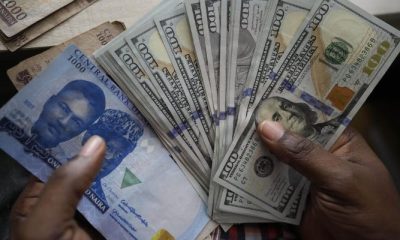
The Nigerian currency weakened in the parallel market on Sunday as the dollar to naira black market rate traded at ₦1420 for selling and ₦1400 for buying, according to sources within the Bureau De Change segment of the foreign exchange market.

Advertisement

Also readNigerian Naira Strengthens Against Dollar

Currency traders in Lagos said the exchange rate continues to fluctuate frequently, driven largely by the volume of dollars available and the level of demand from importers, travellers and businesses seeking foreign currency.

As a result, rates in the parallel market can change several times within a single day.

Market participants explained that under such conditions, the price of one dollar may shift significantly within hours depending on trading activity and liquidity levels.

Advertisement

Data gathered from Bureau De Change operators indicated that players in the Lagos parallel market were selling the dollar at ₦1420 while buying at ₦1400 on Sunday.

The movement reflects persistent demand pressure in the informal forex segment of the economy.

The dollar to naira black market rate typically diverges from the official market overseen by the Central Bank of Nigeria, which does not recognise transactions conducted in the parallel market.

Advertisement

The apex bank has consistently advised individuals and businesses seeking foreign exchange to use authorised banks and approved financial channels.

In the official market, the latest data showed the dollar trading within a narrower band. Figures from the Nigerian Autonomous Foreign Exchange Market indicated a highest rate of ₦1404 and a lowest rate of ₦1398 for the day.

Official benchmark rates are published through the platform operated by FMDQ Securities Exchange, which provides data on transactions in Nigeria’s formal foreign exchange market.

Advertisement

Analysts say the gap between official and parallel market rates often reflects broader pressures in the forex supply chain, including dollar scarcity, import demand and speculative activity.

They also caution that the rates quoted in the parallel market may vary slightly from one location to another, meaning the price at which individuals buy or sell foreign currency could differ from published figures.

Also read: Naira Holds Steady as Dollar Trading Remains Calm

Despite ongoing reforms in Nigeria’s foreign exchange framework, the parallel market remains a major reference point for many businesses and individuals seeking quick access to dollars outside the formal banking system.

Advertisement

Continue Reading
Advertisement
Click to comment

Leave a Reply

Your email address will not be published. Required fields are marked *

Economy

Obasa Reaffirms Lagos as Heart of Nigeria’s Economy

Published

on

Obasa

Lagos economic powerhouse reaffirmed as Speaker Obasa says state remains Nigeria’s commercial hub and top destination for investment and growth

(more…)

Advertisement
Continue Reading

Trending