Lagos Health Insurance scheme could generate ₦400bn annually, expanding coverage and improving quality through LPHP public-private reforms
The Lagos State Commissioner for Health, Prof. Akin Abayomi, has revealed that the state could inject over ₦400 billion annually into the healthcare financing system if 20 million residents enrol in the state’s health insurance scheme.
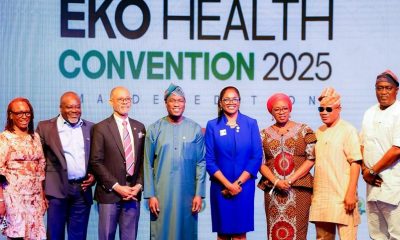
Abayomi made the disclosure during the inauguration of the Lagos Private Health Partnership (LPHP), a reform initiative designed to restructure health financing, expand insurance coverage, and ensure equitable access to quality healthcare for all residents.
He explained that the projected ₦400 billion yearly could be achieved with an average premium of ₦20,000 per enrollee.
The commissioner stressed that without widespread participation, Lagos would struggle to establish a functional insurance ecosystem capable of delivering people-centred care.
Despite Lagos’ economic strength and a population exceeding 25 million, Abayomi lamented ongoing challenges, including inadequate health financing, low insurance penetration, workforce attrition, and rising medical tourism.
The LPHP aims to restore fairness, transparency, quality, and sustainability in healthcare through a collaborative public–private procurement platform.
It marks a decisive break from a decade of fragmented private health insurance services characterised by unhealthy price undercutting, restricted enrollee access, and erosion of trust.
The state health insurance is implemented through the Lagos State Health Scheme (LSHS), popularly known as ‘Ìlera Èkó’, which is compulsory for residents, employers, and workers.
This policy, based on an Executive Order signed by Gov. Babajide Sanwo-Olu in July 2024, mandates enrollment in either the state-run or an accredited private health insurance provider to access non-emergency public healthcare services.
Full enforcement of the mandate will begin after a six-month sensitisation period.
Abayomi highlighted that the LPHP leverages a robust digital marketplace to manage enrolment, provider selection, fund flow, claims, monitoring, and reporting, ensuring seamless compliance.
Competition will shift from price-driven rivalry to value-based outcomes, with HEFAMAA enforcing quality standards.
The initiative also introduces a state-managed risk equalisation and solidarity fund. Private insurers are required to contribute 13% of premiums to protect vulnerable populations, strengthen emergency response, and sustain universal health coverage commitments.
Gov. Sanwo-Olu, represented by Secretary to the State Government Mrs Abimbola Salu-Hundeyin, described LPHP as a historic step towards building a resilient health financing system capable of shielding households from catastrophic expenditure.
He stressed that the reform strengthens private sector healthcare, which provides over 70% of services in Lagos, while balancing profitability, quality, and equity.
LPHP also introduces a population-based enrolment model for private sector employees, ensuring better risk distribution and subsidised plan access.
Dr Adebayo Adedewe, Chairman of the Lagos State Health Management Agency (LASHMA), described LPHP as a credible solution to long-standing challenges in health insurance.
Dr Jimi Arigbabuwo, National Adviser on Health Insurance Matters for the Healthcare Providers Association of Nigeria (HCPAN), called LPHP a turning point for private sector integration into healthcare, urging fair provider compensation to ensure sustainability, patient satisfaction, and reduced outbound medical tourism.





 news1 year ago
 politics1 year ago
 entertainment1 year ago
 entertainment1 year ago
 politics1 year ago
 politics1 year ago
 events2 years ago
 events2 years ago